

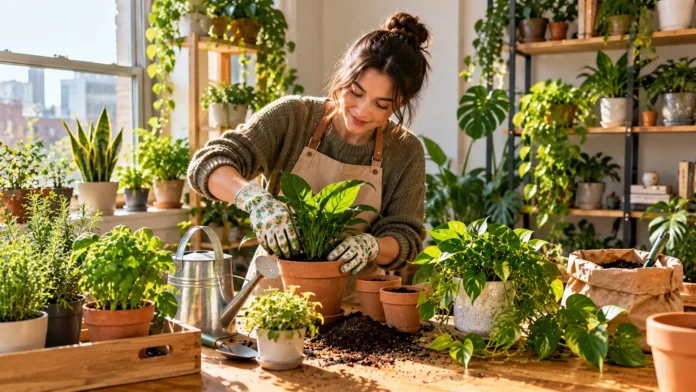
Creating a beautiful indoor garden is one of the easiest ways to bring nature into your living space. Whether you live in a small apartment or a spacious house, growing plants indoors can make your home feel fresh, peaceful, and inviting. Learning how to start an indoor garden at home allows you to enjoy greenery, grow useful herbs, and develop a rewarding hobby throughout the year.
Indoor gardening does not require a large backyard or expensive equipment. With suitable plants, adequate lighting, proper containers, and a little attention, beginners can create thriving gardens in surprisingly small spaces. From kitchen windowsills to living room shelves, almost any suitable indoor area can become a home for healthy, beautiful plants.
However, successful indoor gardening involves more than placing plants near a window and watering them occasionally. Understanding plant requirements, soil conditions, humidity, and basic maintenance helps prevent common growing problems. This guide explains how to start an indoor garden step by step, including plant selection, gardening supplies, watering techniques, and practical care tips for beginners.
1. Choose the Best Location for Your Indoor Garden
Choosing the right location is the first step when learning how to start an indoor garden at home. Different plants require different amounts of sunlight, space, and ventilation to grow successfully. Before buying plants, observe the available areas in your home and identify places that receive suitable natural light throughout the day.
South-facing windows in the Northern Hemisphere usually receive the strongest natural sunlight, making them useful for many sun-loving plants. East-facing windows provide gentler morning light, while north-facing windows generally receive less direct sunshine. The best location depends on the plants you want to grow and the amount of daylight available.
Temperature and accessibility are equally important when selecting an indoor gardening space. Avoid placing sensitive plants directly beside heating vents, air conditioners, or frequently opened exterior doors. Choose an area where you can easily water plants, inspect their leaves, and perform regular maintenance without disrupting your daily activities.
2. Understand the Lighting Requirements of Indoor Plants
Light is essential for indoor plant growth because plants use it to produce energy through photosynthesis. However, different species have different lighting requirements, and excessive direct sunlight can damage some varieties. Understanding whether a plant prefers bright indirect light, partial shade, or direct sunshine helps you create suitable growing conditions.
Bright indirect light is ideal for many popular houseplants, including pothos, peace lilies, and several philodendron varieties. Herbs such as basil and rosemary generally need stronger light to develop healthy foliage. Reading plant care labels and observing how sunlight enters your home can help you select appropriate locations.
When natural sunlight is insufficient, indoor grow lights can provide additional illumination for plant development. LED grow lights are popular because they use relatively little electricity and produce less heat than some older lighting systems. Position lighting according to the manufacturer’s guidance and adjust exposure based on how plants respond over time.
3. Select Easy Indoor Plants for Beginners
Choosing beginner-friendly plants makes indoor gardening more enjoyable and reduces the frustration associated with complicated maintenance routines. Some houseplants tolerate occasional watering mistakes and changing indoor conditions better than others. Starting with a few adaptable varieties allows you to develop confidence before introducing plants that require more specialized attention.
Pothos, snake plants, spider plants, and ZZ plants are popular options for beginner indoor gardeners. These varieties are generally adaptable to typical household environments, although their lighting and watering needs differ. Their attractive foliage also makes them suitable for decorating living rooms, bedrooms, offices, and other indoor spaces.
When selecting plants, consider available light, indoor temperature, household pets, and the time you can dedicate to maintenance. Some common houseplants are toxic if eaten by cats or dogs, so pet-safe selection is important. Buying healthy plants from reputable nurseries also reduces the likelihood of introducing pests or diseases into your home.
4. Gather the Essential Indoor Gardening Supplies
Starting an indoor garden requires a few basic supplies rather than a large collection of expensive gardening equipment. The most important items include suitable containers, potting mix, a watering can, and healthy plants. Depending on your environment, you may also need plant supports, a moisture meter, or supplemental lighting.
A small watering can with a narrow spout makes it easier to control water flow around indoor plants. Pruning scissors are useful for removing damaged foliage and maintaining attractive growth. Protective trays beneath containers help prevent water from damaging shelves, flooring, and furniture while keeping your gardening area clean.
Beginners should purchase supplies based on the specific requirements of their chosen plants. Buying unnecessary equipment can increase costs without improving plant health or growing conditions. Start with essential materials, observe your plants, and add specialized accessories only when they solve a genuine gardening problem.
5. Choose Suitable Pots and Containers
Plant containers play an important role in maintaining healthy roots and supporting long-term growth. The right pot should provide enough space for the root system without holding excessive amounts of wet soil. Selecting an appropriate container also helps create an attractive indoor garden that complements your home’s interior design.
Drainage holes are particularly important because they allow excess water to escape after watering. Without proper drainage, water can accumulate around roots and increase the risk of decay. Terracotta pots allow moisture to evaporate through their porous walls, while plastic and glazed ceramic containers generally retain moisture longer.
Container size should reflect the plant’s current root system rather than its eventual mature height. A pot that is much larger than necessary may keep the soil wet for extended periods. Decorative outer containers can be used alongside nursery pots, provided excess water is emptied regularly and roots are not left sitting in moisture.
6. Use the Right Potting Soil for Indoor Plants
Healthy indoor plants need a growing medium that supports roots while providing suitable moisture retention and airflow. Ordinary garden soil is often unsuitable for containers because it can become compacted and drain poorly. A quality indoor potting mix generally provides a better balance between moisture, nutrients, and root aeration.
Different plants benefit from different soil compositions, so choosing the correct mixture is important. Succulents and cacti usually require fast-draining mixes containing mineral components, while many tropical houseplants prefer a medium that retains moderate moisture. Herbs also benefit from suitable drainage, especially when grown in relatively small indoor containers.
Over time, potting mixes can break down, become compacted, or accumulate mineral deposits from water and fertilizer. Replacing old growing media when necessary helps maintain healthy root conditions. Avoid repeatedly adding fertilizer to struggling plants without first checking whether problems are caused by poor drainage, watering habits, or unsuitable light.
7. Learn How to Water Indoor Plants Correctly
Watering is one of the most important indoor gardening skills because both excess moisture and prolonged dryness can damage plants. Beginners sometimes assume that every houseplant requires watering on the same schedule. However, watering frequency depends on plant species, container size, temperature, humidity, and the amount of available light.
A practical way to assess moisture is to check the potting mix before adding more water. Many common houseplants can be watered when the upper layer of soil feels dry, although some species prefer different conditions. When watering, allow excess moisture to drain from the container and empty any collected water afterward.
Signs of watering problems may include yellowing leaves, drooping foliage, or consistently wet soil. These symptoms can have several causes, so checking the growing conditions is important before changing your routine. Observing individual plants and adjusting watering according to their needs is usually more effective than following a rigid calendar.
8. Maintain Suitable Temperature and Humidity
Indoor temperature influences plant growth, water requirements, and overall health. Many popular tropical houseplants grow well in the moderate temperatures commonly found inside homes. However, sudden temperature changes, cold drafts, and direct exposure to heating systems can cause stress and damage sensitive leaves.
Humidity is another important factor, especially for plants that naturally grow in tropical environments. Dry indoor air may cause brown leaf edges or slower development in some species. Grouping plants together or using a room humidifier can help create more suitable conditions, provided airflow remains adequate and surrounding surfaces do not become excessively damp.
Not every indoor plant needs high humidity, and some varieties prefer relatively dry environments. Succulents, for example, generally perform better when their growing conditions allow moisture to evaporate efficiently. Understanding the natural habitat of your chosen plants helps you provide suitable environmental conditions without introducing unnecessary moisture-related problems.
9. Grow Fresh Herbs in Your Indoor Garden
Growing herbs indoors is a practical way to combine home decoration with everyday usefulness. Fresh herbs can add flavor to meals while creating pleasant greenery around kitchen windows and countertops. Basil, parsley, mint, chives, and thyme are popular choices, although their lighting and watering needs differ.
Most culinary herbs grow best with several hours of strong light each day. A bright windowsill may provide sufficient sunlight for some varieties, while supplemental grow lights can be useful in darker homes. Good drainage and appropriate container sizes are essential because herb roots can suffer when soil remains constantly saturated.
Harvesting herbs carefully encourages healthy development and helps maintain their appearance. Remove small amounts of foliage as needed without stripping a plant of too much growth at once. Beginners may find it easier to start with established herb plants rather than seeds, especially when indoor lighting conditions are limited.
10. Try Growing Vegetables Indoors
Indoor vegetable gardening can be rewarding when suitable lighting, containers, and growing conditions are available. However, vegetables often require more sunlight and space than decorative houseplants. Beginners should choose manageable crops and understand that indoor growing conditions can influence plant size, development, and potential harvests.
Leafy vegetables such as lettuce and some compact greens are common options for indoor cultivation. Microgreens can also be grown in shallow containers under suitable conditions, making them attractive for small spaces. Fruiting crops such as tomatoes and peppers usually require stronger lighting and more growing space than beginner-friendly leafy varieties.
Successful indoor vegetable gardening depends on maintaining consistent light, moisture, airflow, and nutrition. Plants producing flowers or fruit may also have additional pollination requirements. Starting with a small number of suitable varieties allows beginners to understand these needs before investing in larger indoor growing systems.
11. Fertilize Indoor Plants Without Overfeeding
Indoor plants require nutrients for healthy foliage, root development, and continued growth. Although fresh potting mixes may contain some nutrients, these supplies gradually become depleted. Fertilizers can help replenish essential elements, but adding excessive amounts may damage roots or cause unwanted mineral buildup in containers.
Different plant species have different nutritional needs, particularly during active growing periods. Many houseplants benefit from occasional feeding when conditions support healthy development. Slower-growing plants and those receiving limited light may require less fertilizer because their overall growth and nutrient use are reduced.
Always follow fertilizer label instructions and avoid assuming that additional nutrients will automatically improve plant health. Yellow leaves or slow growth can result from lighting problems, watering mistakes, or environmental stress rather than nutrient deficiencies. Evaluating the entire growing environment helps prevent unnecessary fertilization and supports more balanced plant care.
12. Prevent Common Indoor Plant Pests and Diseases
Indoor gardens can sometimes attract pests such as spider mites, fungus gnats, scale insects, and mealybugs. These problems may develop when pests arrive on newly purchased plants or when environmental conditions favor their reproduction. Regularly inspecting leaves, stems, and potting soil helps identify early warning signs before infestations become widespread.
New plants should be checked carefully before being placed near an established indoor collection. Isolating recently purchased plants temporarily can help prevent pests from spreading to nearby containers. Keeping foliage reasonably clean, avoiding unnecessary standing water, and maintaining suitable airflow also support healthier growing conditions.
If pests appear, identify the problem before choosing an appropriate treatment. Some infestations can be managed through physical removal, isolation, or plant-safe products used according to their instructions. Avoid applying household chemical mixtures without understanding their effects, since certain substances can damage foliage or create unnecessary exposure risks.
13. Create an Attractive Indoor Garden Layout
An indoor garden can become an attractive design feature when plants are arranged thoughtfully around the home. Combining different leaf shapes, heights, and textures creates visual interest without requiring a large collection. Shelves, plant stands, windowsills, and suitable floor spaces can all support creative arrangements while keeping plants accessible.
Tall foliage plants can provide structure, while smaller potted plants work well on shelves and side tables. Trailing varieties such as pothos create a softer appearance when positioned in suitable elevated locations. Grouping plants with similar light and humidity requirements also makes maintenance easier and helps prevent unsuitable growing conditions.
Avoid overcrowding plants simply to create a fuller appearance. Leaves need adequate airflow, and each container should remain accessible for watering, pruning, and inspection. A balanced arrangement considers both decoration and plant health, allowing your indoor garden to remain attractive as individual plants grow and change.
14. Maintain Your Indoor Garden With a Simple Routine
Regular maintenance helps indoor plants remain healthy and attractive without requiring extensive daily attention. Basic tasks include checking soil moisture, inspecting foliage, removing damaged leaves, and monitoring environmental conditions. Establishing a manageable routine makes it easier to recognize developing problems before they become difficult to correct.
Dust can accumulate on indoor plant leaves, reducing their appearance and potentially limiting the light reaching their surfaces. Gently cleaning suitable leaves with a damp cloth can help maintain healthy foliage. Rotating containers occasionally may also encourage more balanced growth when plants receive most of their light from one direction.
Plant maintenance requirements change throughout the year as indoor temperatures, daylight hours, and growth rates fluctuate. Many plants use less water during periods of slower growth, particularly in winter. Adjusting your routine according to seasonal conditions is more effective than treating every plant exactly the same throughout the year.
15. Avoid Common Indoor Gardening Mistakes
One of the most common indoor gardening mistakes is choosing plants without considering the available growing conditions. A sun-loving plant placed in a dark room may struggle even when watered correctly. Similarly, placing shade-tolerant foliage directly under intense sunlight can cause leaf damage and unnecessary stress.
Overwatering, poor drainage, and oversized containers are other frequent problems for beginner gardeners. These conditions can leave roots surrounded by moisture for extended periods, increasing the risk of decay. Selecting appropriate pots, monitoring soil moisture, and understanding individual plant needs can prevent many common indoor growing difficulties.
Another mistake is expecting every plant to grow quickly or remain visually perfect throughout the year. Natural growth patterns vary, and occasional leaf loss does not always indicate a serious problem. Patience, careful observation, and small adjustments help beginners develop the practical knowledge needed to maintain a thriving indoor garden.
Conclusion
Learning how to start an indoor garden at home is a rewarding way to bring greenery, natural beauty, and enjoyable gardening activities into your everyday environment. With suitable plants, adequate lighting, appropriate containers, and quality potting soil, even beginners can create attractive growing spaces. The key is understanding basic plant requirements before building a larger collection.
Successful indoor gardening depends on consistent care rather than complicated equipment or expensive supplies. Watering appropriately, monitoring light exposure, maintaining suitable temperatures, and inspecting plants regularly can prevent common problems. Starting with a few adaptable varieties gives you time to develop gardening skills while discovering which plants grow best in your home.
Whether you want to grow decorative houseplants, fresh herbs, or compact vegetables, an indoor garden can be adapted to your available space and interests. Begin with a simple setup, observe how your plants respond, and gradually expand your collection. With patience and practical care, your indoor garden can become a beautiful and enjoyable part of your home.
Frequently Asked Questions
What is the easiest way to start an indoor garden?
Start with two or three beginner-friendly houseplants, containers with drainage holes, and suitable potting mix. Place them where they receive appropriate light and check soil moisture regularly before watering.
What are the best indoor plants for beginners?
Pothos, spider plants, snake plants, and ZZ plants are popular beginner-friendly choices because they tolerate a range of household conditions. However, each plant has specific requirements, and some varieties are toxic to pets.
Can I start an indoor garden without sunlight?
Yes, indoor plants can grow without direct natural sunlight when suitable artificial grow lights provide enough illumination. Choose varieties appropriate for indoor conditions and follow lighting recommendations for healthy growth.
How often should I water my indoor garden?
Watering frequency depends on plant species, light exposure, temperature, humidity, and container size. Check the potting mix before watering instead of following a fixed schedule, and ensure excess water drains properly.
What vegetables can I grow in an indoor garden?
Leaf lettuce, microgreens, and certain compact leafy vegetables can grow indoors with adequate light and suitable containers. Fruiting vegetables such as tomatoes usually require stronger lighting, more space, and additional maintenance.