

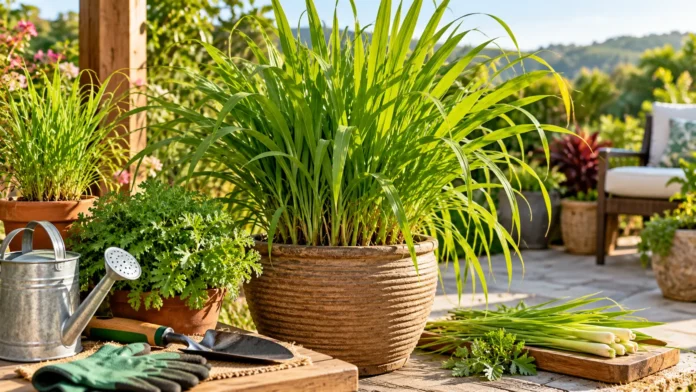
The citronella plant is a popular choice among gardeners who enjoy fragrant greenery and attractive outdoor spaces. Known for its refreshing lemon-like scent, this plant often appears in patio containers, balconies, and home gardens. Its aromatic leaves and relatively simple maintenance requirements make it appealing to both beginners and experienced gardeners.
Growing a healthy citronella plant requires an understanding of sunlight, watering, soil conditions, and seasonal care. Many people purchase citronella plants because they are marketed as natural mosquito repellents, although the living plants do not provide reliable mosquito protection. They are still enjoyable ornamental plants that can add fragrance and texture to a garden.
This practical guide explains citronella plant care, growing tips, different varieties, and common problems. You will learn how to grow citronella in pots or garden beds, encourage healthy foliage, and protect plants during colder weather. Whether you are starting with a small nursery plant or expanding an existing garden, these tips can help you grow citronella successfully.
What Is a Citronella Plant?
The name citronella plant commonly refers to a lemon-scented geranium sold as Pelargonium citrosum or a related scented Pelargonium cultivar. This ornamental plant has deeply divided green leaves that release a citrus-like fragrance when touched or crushed. It grows with a bushy appearance and may produce small pinkish or lavender flowers. Gardeners often use it in decorative containers and sunny outdoor spaces.
However, the scented geranium commonly sold as a mosquito plant is different from true citronella grass. True citronella belongs to the Cymbopogon genus and has long, narrow, grass-like leaves. Certain species are grown commercially for citronella essential oil. Understanding this distinction is important because these plants have different growth habits, space requirements, and uses.
Citronella-scented geraniums are generally grown as tender perennials in warm climates or seasonal plants in colder regions. They prefer bright conditions, suitable drainage, and protection from freezing temperatures. Their fragrant foliage makes them attractive additions to patios and herb-inspired ornamental gardens. With appropriate care, a healthy plant can develop dense greenery and remain attractive throughout the growing season.
Different Types and Varieties of Citronella Plants
Citronella plants are available under several common names, which can sometimes create confusion when purchasing them. The popular mosquito plant, often labeled Pelargonium citrosum or Citrosa geranium, has textured, deeply lobed leaves with a lemon-like fragrance. It belongs to the scented geranium group rather than the true citronella grasses. This variety is commonly grown in patio containers.
Ceylon citronella grass, scientifically known as Cymbopogon nardus, is a tropical grass associated with traditional citronella oil production. It forms dense clumps of long, narrow leaves and can become considerably larger than a scented geranium. Its upright grassy appearance makes it suitable for spacious tropical gardens. Warm temperatures and sufficient growing space are important for healthy development.
Java citronella grass, known as Cymbopogon winterianus, is another important species cultivated for aromatic oil. It is commonly associated with commercial citronella production because of its oil characteristics. Both Java and Ceylon citronella differ from decorative scented geraniums in appearance and growing requirements. Checking the botanical name before purchasing helps ensure you select the plant you actually want.
Ideal Sunlight and Temperature for Citronella Plants
Citronella-scented geraniums generally perform best in bright locations with several hours of direct sunlight. A sunny patio, balcony, or garden bed can provide suitable growing conditions. Adequate light encourages compact growth and healthy foliage development. However, extremely intense afternoon sunlight may stress container plants, particularly in regions with very hot summers.
In warmer climates, a location receiving morning sunlight and some protection during the hottest afternoon hours can be beneficial. Plants growing indoors need access to strong natural light near a bright window. Insufficient sunlight may cause weak stems, pale leaves, and stretched growth. Gradually adjusting plants to brighter conditions helps prevent sudden leaf damage.
Temperature is another important factor because citronella-scented geraniums are sensitive to frost. They thrive during warm growing conditions but may suffer damage when exposed to freezing temperatures. Gardeners in colder regions often grow them in movable containers and bring them indoors before frost arrives. True citronella grasses also prefer warmth and generally require protection from freezing weather.
Best Soil for Growing Citronella Plants
Well-draining soil is essential for growing healthy citronella-scented geraniums because their roots do not tolerate prolonged waterlogging. A suitable potting mix should allow excess water to escape while retaining enough moisture for normal growth. Many general-purpose container mixes work well when they provide adequate drainage. Heavy, compacted soil may increase the risk of root problems.
For garden planting, choose a location where water does not collect after rainfall or irrigation. Adding suitable organic matter can improve soil structure, particularly in garden beds with poor growing conditions. However, excessive moisture retention should be avoided. The goal is to create a balanced growing environment that supports healthy roots without keeping them constantly saturated.
True citronella grasses often prefer fertile soil with adequate moisture and good drainage. These vigorous tropical grasses may require more water than scented geraniums during active growth. Their larger root systems also need sufficient growing space. Recognizing the differences between the two plant groups helps gardeners select appropriate soil conditions and avoid unnecessary growing problems.
How Often Should You Water a Citronella Plant?
Watering requirements depend on the plant type, container size, temperature, and surrounding growing conditions. For citronella-scented geraniums, checking the soil before watering is more reliable than following a fixed daily schedule. Allow the upper portion of the potting mix to become slightly dry before adding more water. This helps maintain moisture without leaving roots constantly wet.
During warm summer weather, container-grown plants may need watering more frequently because soil dries faster. Water thoroughly until excess moisture drains through the bottom of the container. Avoid leaving pots standing in collected water for extended periods. Consistently wet soil can contribute to yellowing leaves, weak growth, and root rot.
Watering usually needs to be reduced when temperatures fall and plant growth slows. Indoor plants may also use less water during winter because of lower light levels. True citronella grass can require more consistent moisture during active tropical growth. Observing the soil and plant condition helps establish a watering routine suited to your specific environment.
How to Plant Citronella in Your Garden
Planting citronella begins with selecting a suitable location that receives adequate sunlight and has well-draining soil. For scented geraniums, wait until the risk of frost has passed before moving plants outdoors. Prepare the planting area by removing weeds and loosening compacted soil. Healthy growing conditions allow roots to establish more easily after transplanting.
Dig a planting hole approximately as deep as the existing root ball and wide enough to accommodate the roots comfortably. Gently remove the plant from its nursery container without pulling forcefully on the stems. Position it at roughly the same soil level as before. Fill the surrounding area with soil and water gently to help settle it.
Leave enough space between plants to allow airflow and natural growth. Scented geraniums may develop a broad, bushy shape, while citronella grasses can form substantial clumps. Crowded planting can reduce airflow and make maintenance more difficult. Checking the mature size of your selected variety helps create a balanced and manageable garden layout.
How to Grow Citronella Plants in Pots
Growing citronella in pots is a practical option for patios, balconies, and small outdoor spaces. Containers make it easier to adjust sunlight exposure and move plants indoors during cold weather. Choose a pot large enough to accommodate the root system without excessive crowding. Drainage holes are essential for preventing excess water from collecting around the roots.
Fill the container with a suitable, well-draining potting mix and position the plant at its original growing depth. After planting, water thoroughly and allow excess moisture to drain away. Place the pot where the plant receives bright light without exposure to unsuitable temperatures. Monitor moisture regularly because container soil can dry faster than garden soil.
As the plant grows, inspect the container for signs that the roots need more space. Roots emerging from drainage holes or unusually rapid drying may indicate that repotting is necessary. Move the plant into a slightly larger container with fresh potting mix when appropriate. Regular inspection helps maintain healthy growth and prevents avoidable root stress.
Can You Grow a Citronella Plant Indoors?
Citronella-scented geraniums can grow indoors when they receive sufficient sunlight and appropriate care. Position the plant near a bright window where natural light is available for much of the day. South-facing windows may work well in some locations, although direct sunlight intensity varies by climate. Indoor plants generally require careful monitoring because growing conditions differ from outdoor environments.
Proper airflow and drainage are particularly important when maintaining citronella indoors. Avoid placing pots close to heating vents or other locations with extreme temperature changes. Water only when the potting mix has dried sufficiently, rather than keeping it continuously moist. Overwatering is a common problem because indoor plants may use moisture more slowly.
If the plant produces long, weak stems, inadequate sunlight may be contributing to the problem. Moving it to a brighter location can support more compact growth. Outdoor conditions should be introduced gradually when moving an indoor plant outside during warmer months. With suitable lighting and regular attention, citronella-scented geraniums can remain attractive indoor container plants.
Fertilizing and Pruning Citronella Plants
Citronella-scented geraniums generally benefit from moderate feeding during periods of active growth. A balanced fertilizer suitable for ornamental container plants may support healthy leaves and stems when used according to its label. Excessive fertilization can encourage weak growth or cause salt buildup in the soil. Healthy plants do not necessarily require frequent feeding.
Pruning helps maintain a compact shape and encourages branching in citronella-scented geraniums. Pinching back growing tips can reduce leggy growth and promote a fuller appearance. Remove dead, damaged, or unhealthy leaves whenever necessary. Use clean gardening tools and avoid removing excessive foliage from a stressed plant.
True citronella grasses have different maintenance requirements because they grow in dense clumps rather than branching stems. Removing dead leaves and managing overgrown clumps can improve their appearance. Established grasses may also benefit from division when they become crowded. Adjusting maintenance practices to the plant’s actual species supports healthier development and more attractive growth.
How to Propagate Citronella Plants
Propagating citronella-scented geraniums through stem cuttings is a practical way to create additional plants. Select a healthy, nonflowering stem from an established plant and take a cutting using clean pruning tools. Remove the lower leaves while retaining several healthy leaves near the top. This prepares the cutting for rooting in a suitable growing medium.
Place the cutting in a lightly moist, well-draining propagation mix and position it in bright, indirect light. Avoid keeping the medium constantly saturated because excessive moisture can encourage decay. Root development varies depending on temperature, plant health, and growing conditions. Once a healthy root system forms, the young plant can be moved into an appropriate container.
True citronella grass is commonly propagated through division rather than stem cuttings. Established clumps can be separated into smaller sections containing healthy roots and growing shoots. Each division needs suitable soil, moisture, and warmth to establish successfully. Using the correct propagation method for each plant type improves the chances of successful growth.
Common Citronella Plant Problems and Solutions
Yellowing leaves are among the most common problems encountered when growing citronella-scented geraniums. Excessive watering, poor drainage, insufficient light, and natural leaf aging can all contribute to discoloration. Check the soil condition before assuming the plant needs additional water. Correcting the underlying growing problem is more effective than treating yellow leaves alone.
Brown leaf edges or wilting may occur when plants experience insufficient moisture, intense heat, or environmental stress. Container plants are particularly vulnerable during very hot weather because their roots can dry quickly. Inspect soil moisture and sunlight exposure before making changes. Gradual adjustments are generally less stressful than moving a struggling plant between dramatically different environments.
Pests such as aphids, spider mites, and whiteflies may occasionally affect scented geraniums. Regularly inspect the undersides of leaves and new growth for visible insects or damage. Isolating affected container plants and gently removing minor infestations can help prevent spreading. If problems persist, seek advice about plant-specific, appropriately labeled treatments rather than applying unsuitable products.
Does the Citronella Plant Repel Mosquitoes?
Citronella plants are frequently marketed as natural mosquito repellents because of their distinctive citrus-like fragrance. However, simply placing a citronella-scented geranium on a patio does not reliably prevent mosquito bites. The scent is most noticeable when the leaves are touched or crushed. Scientific evidence does not support relying on the living plant for meaningful mosquito protection.
True citronella grasses are different because certain species provide essential oils used in commercially manufactured repellent products. However, growing the grass in a garden does not provide the same protection as using a properly formulated and tested repellent. The presence of aromatic foliage alone is insufficient. Homegrown leaves and concentrated oils should not be applied directly to the skin as substitutes for approved products.
For reliable mosquito protection, use proven measures such as window screens, eliminating standing water, and appropriate registered insect repellents used according to their labels. Outdoor fans may also help reduce mosquito activity around seating areas. Citronella plants can still be enjoyed for their appearance and fragrance. Their ornamental value does not depend on providing insect control.
How to Protect Citronella Plants During Winter
Winter protection is important because citronella-scented geraniums cannot reliably survive freezing temperatures. Gardeners in colder climates often treat them as annual plants or move container-grown specimens indoors before frost. Choosing a bright indoor location helps maintain the plant during cooler months. Sudden exposure to freezing weather can damage leaves and stems.
Before bringing a plant indoors, inspect its foliage and container for unwanted insects or signs of disease. Remove damaged leaves and provide a clean growing environment. Reduce watering as growth slows, allowing the soil to dry appropriately between applications. Avoid heavy fertilization during periods of limited sunlight and reduced activity.
True citronella grasses are also tropical plants and can suffer damage in cold climates. Container-grown specimens may be protected indoors when sufficient space and suitable conditions are available. Large outdoor clumps may not survive freezing winters without appropriate protection. Planning ahead for seasonal temperature changes helps preserve healthy plants for another growing season.
Are Citronella Plants Safe Around Pets?
Pet safety is an important consideration when choosing fragrant ornamental plants for the home or garden. Citronella-scented geraniums belong to the Pelargonium group, which can be toxic to cats and dogs if eaten. Exposure may cause digestive discomfort or other symptoms. Keeping these plants out of reach helps reduce the risk of accidental ingestion.
True citronella grasses and concentrated citronella oils should also be treated cautiously around pets. Essential oils can pose particular risks because they contain highly concentrated aromatic compounds. Never assume that a natural plant or plant-derived substance is automatically harmless. Avoid allowing pets to chew unfamiliar foliage or come into contact with concentrated oils.
If a pet eats part of a citronella plant or develops unusual symptoms after exposure, contact a veterinarian for guidance. Identifying the plant accurately can help with appropriate assessment. Place containers in locations that pets cannot easily reach or knock over. Thoughtful placement allows gardeners to enjoy attractive greenery while maintaining a safer environment for animals.
Conclusion
Citronella plants are attractive additions to gardens, patios, and indoor spaces because of their distinctive fragrance and appealing foliage. Understanding the difference between citronella-scented geraniums and true citronella grasses is essential for choosing the right plant. Each type has different growth habits, mature sizes, and maintenance requirements. Accurate identification makes everyday care easier.
Successful citronella plant care depends on providing suitable sunlight, well-draining soil, appropriate watering, and seasonal protection. Regular pruning, occasional feeding, and timely repotting can help maintain healthy growth. Gardeners should also monitor their plants for pests and signs of environmental stress. Small adjustments to growing conditions can make a noticeable difference.
Although citronella plants are often associated with mosquito control, their presence alone does not provide dependable protection from bites. Their greatest benefits come from their ornamental appearance, fragrant leaves, and suitability for container gardening. With appropriate care and realistic expectations, citronella plants can become enjoyable features of a healthy home garden.
Frequently Asked Questions
Does a citronella plant need full sun?
Citronella-scented geraniums generally prefer bright sunlight, although some afternoon shade may help in extremely hot climates. Providing adequate light encourages healthy foliage and reduces weak, stretched growth.
How often should I water my citronella plant?
Water a citronella-scented geranium when the upper portion of its soil begins to dry. Watering frequency depends on temperature, pot size, sunlight exposure, and drainage conditions.
Can citronella plants survive winter?
Citronella-scented geraniums are sensitive to freezing temperatures and may not survive outdoors in cold climates. Container-grown plants can often be protected indoors with sufficient light and suitable care.
What is the difference between citronella grass and a citronella plant?
The commonly sold citronella plant is usually a scented geranium with lobed leaves. True citronella grass belongs to the Cymbopogon genus and produces long, narrow leaves in dense clumps.
Why are my citronella plant leaves turning yellow?
Yellow leaves may result from overwatering, poor drainage, insufficient sunlight, or natural aging. Checking soil moisture, root conditions, and light exposure can help identify the underlying problem.