

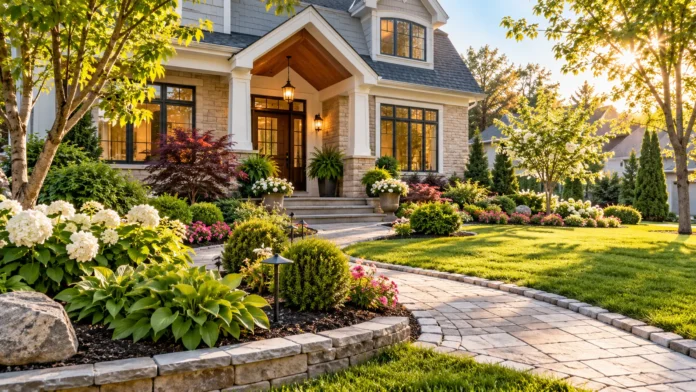
Why Front Yard Design Matters for Your Home
Your front yard is one of the first things visitors notice when approaching your home, making it an important part of your property’s overall appearance. Thoughtful landscaping can create a welcoming entrance, highlight architectural details, and improve everyday outdoor functionality. Exploring creative front yard ideas allows homeowners to transform ordinary spaces into attractive landscapes that reflect their personal style.
A well-designed front yard combines plants, pathways, lighting, and decorative features into a balanced outdoor environment. Whether you prefer colorful gardens, modern landscaping, or simple greenery, the right combination can improve curb appeal without requiring complicated maintenance. Even small adjustments, such as refreshing flower beds or updating walkway materials, can make a noticeable difference.
Successful front yard landscaping begins with understanding your available space, climate, sunlight exposure, and maintenance preferences. Choosing suitable materials and plants helps create an outdoor design that remains attractive throughout changing seasons. With careful planning and practical inspiration, you can develop a front yard that feels welcoming, organized, and naturally connected to your home’s architecture.
Modern Front Yard Landscaping Ideas for a Stylish Entrance
Modern front yard landscaping emphasizes clean lines, simple arrangements, and carefully selected plants that complement contemporary architecture. Straight pathways, geometric garden beds, and structured greenery can create a polished appearance without overwhelming the space. Neutral paving materials combined with natural textures provide an attractive foundation for a modern landscape that feels both functional and visually balanced.
Ornamental grasses, compact shrubs, and architectural plants work particularly well in modern front yard designs. These plants introduce movement, texture, and greenery while maintaining a relatively uncluttered appearance. Grouping similar plants together creates visual consistency, allowing individual features such as entryway lighting, stepping stones, or decorative planters to become more noticeable.
A limited color palette can also strengthen the overall appearance of a contemporary front yard. Combining shades of green with natural stone, concrete, or dark metal accents creates a cohesive landscape. Homeowners can introduce seasonal flowers for subtle contrast while preserving the simple design principles that make modern outdoor spaces feel comfortable and organized.
Small Front Yard Ideas That Make Limited Spaces Look Beautiful
A small front yard can become an attractive outdoor feature when every available area serves a practical purpose. Rather than filling the space with numerous decorations, focus on a few carefully selected plants and landscape elements. Compact flower beds, narrow pathways, and coordinated planters can create an inviting entrance while maintaining enough open space for comfortable movement.
Vertical landscaping offers another opportunity to introduce greenery without occupying valuable ground space. Wall-mounted planters, climbing plants, and narrow trellises can bring natural texture to small residential entrances. Choosing appropriately sized plants prevents the landscape from appearing crowded and reduces the likelihood of excessive pruning as shrubs and flowers mature.
Creating visual depth can also make a compact front yard feel more spacious. Curved planting borders, layered greenery, and strategically positioned decorative stones help guide the eye through the landscape. Keeping pathways clear and maintaining a consistent material palette allows smaller outdoor areas to appear organized, welcoming, and thoughtfully designed.
Low-Maintenance Front Yard Landscaping for Busy Homeowners
Low-maintenance front yard landscaping is ideal for homeowners who want attractive outdoor surroundings without spending excessive time on gardening. The key is choosing suitable plants, limiting high-maintenance features, and creating planting arrangements that are easy to manage. Native plants and well-adapted shrubs can often establish successfully with less intervention once their basic growing requirements are met.
Mulch provides a practical solution for maintaining planted areas and improving the appearance of garden beds. Organic mulch can help conserve soil moisture, moderate soil temperatures, and reduce weed growth when applied correctly. Combining mulch with durable edging materials creates neat borders that make routine landscape maintenance more manageable throughout the year.
Another helpful approach involves replacing difficult-to-maintain sections of lawn with planted beds, gravel areas, or suitable ground covers. These alternatives can reduce certain maintenance tasks when chosen for local conditions. However, every landscape requires some attention, so planning accessible planting areas and efficient irrigation remains important for long-term success.
Front Yard Flower Bed Ideas for Colorful Curb Appeal
Flower beds offer one of the easiest ways to introduce color, texture, and seasonal interest into a front yard. Carefully arranged flowering plants can highlight walkways, frame entrances, and soften the appearance of exterior walls. Selecting varieties with different blooming periods helps maintain visual interest across multiple seasons while creating an inviting atmosphere around the home.
Layering plants according to mature height can produce a balanced and attractive garden arrangement. Taller flowers and shrubs generally work well toward the back of a planting bed, while shorter varieties create defined borders. Mixing foliage textures and flower shapes adds depth without requiring an excessive number of plant species.
The best flower bed designs also account for sunlight, soil drainage, and local growing conditions. Plants with similar watering requirements are often easier to maintain when grouped together. Adding a consistent edging material can complete the look while keeping grass and surrounding landscape elements visually separated from the garden.
Front Yard Walkway Ideas That Create a Welcoming Entrance
A thoughtfully designed walkway connects the street, driveway, or garden entrance to your front door while improving the overall landscape. Walkways should feel comfortable, accessible, and visually connected to the surrounding outdoor design. Materials such as natural stone, concrete pavers, and brick offer different appearances that can complement both traditional and contemporary homes.
Curved pathways can introduce a relaxed garden atmosphere, particularly when surrounded by flowering borders and soft greenery. Straight walkways create a more formal appearance and often complement symmetrical home exteriors. The most practical design depends on available space, accessibility needs, drainage conditions, and how people naturally approach the entrance.
Landscape lighting and low-growing plants can make walkways more attractive without interfering with movement. Avoid placing large shrubs or decorative objects where they obstruct visibility or create tripping hazards. Choosing slip-resistant materials and maintaining a stable walking surface helps create a front yard entrance that remains comfortable during different weather conditions.
Front Yard Ideas With Rocks, Gravel, and Natural Stone
Rocks and gravel can introduce texture, contrast, and structure into front yard landscaping. These materials are especially useful for creating decorative borders, accent areas, and pathways around drought-tolerant plants. When combined thoughtfully with greenery, natural stone can produce a balanced outdoor design that feels attractive without relying entirely on traditional lawn areas.
Different stone sizes and colors create different visual effects within a landscape. Smooth river rocks offer a softer appearance, while angular gravel can complement contemporary architectural styles. Larger decorative boulders can serve as focal points when positioned carefully and supported by surrounding plants that suit the overall scale of the space.
Proper installation is important when using gravel or stone near buildings and garden beds. Consider drainage, soil conditions, surface stability, and the amount of sunlight reflected by the materials. Large areas of exposed stone can become hot in direct sunlight, so combining hardscaping with suitable vegetation can improve comfort and visual balance.
Front Yard Garden Ideas for a Natural and Relaxing Look
Natural front yard gardens emphasize informal planting arrangements, layered greenery, and a welcoming outdoor atmosphere. Instead of relying on perfectly symmetrical layouts, these designs use varied plant heights and organic shapes to create visual interest. Flowering perennials, ornamental grasses, and small shrubs can work together to produce an inviting landscape inspired by natural environments.
A garden-style front yard can also support local wildlife when suitable native plants are included. Flowers that provide nectar and pollen may attract pollinators such as butterflies and bees, depending on the region. Selecting diverse plants with different flowering periods can create seasonal interest while supporting a healthier and more resilient garden environment.
Natural landscaping still benefits from thoughtful organization and regular maintenance. Defined pathways, clear planting boundaries, and appropriate spacing prevent the garden from becoming difficult to manage. Choosing plants that match local climate and soil conditions can help maintain a relaxed appearance without creating unnecessary watering or pruning demands.
Front Yard Lighting Ideas to Enhance Evening Curb Appeal
Outdoor lighting can transform the appearance of a front yard after sunset while improving visibility around entrances and pathways. Carefully positioned fixtures highlight landscaping features, architectural details, and important walking areas. Combining practical illumination with subtle decorative effects helps create an inviting atmosphere without making the exterior feel excessively bright.
Path lights are particularly useful for marking garden walkways and steps, while wall-mounted fixtures can illuminate entrances. Small accent lights may highlight ornamental trees, textured walls, or decorative planting areas. Warm, downward-directed lighting often creates a comfortable residential appearance while reducing unnecessary glare and light spill into neighboring properties.
Energy-efficient LED fixtures are commonly used in modern landscape lighting because of their relatively low electricity consumption and long service life. Solar-powered options may also suit certain locations with adequate sunlight. Choose outdoor-rated equipment and ensure electrical installations follow appropriate safety requirements, especially in areas exposed to rain or irrigation.
Front Yard Fence Ideas for Privacy and Decorative Appeal
A front yard fence can define property boundaries while adding architectural character to the exterior landscape. Different materials and designs create distinct appearances, ranging from traditional picket fences to modern horizontal panels. Selecting an appropriate style helps connect the fence with surrounding landscaping, entryway details, and the overall design of the house.
Wooden fences introduce warmth and can complement cottage-style or traditional homes. Metal fencing may provide a more open appearance, while composite materials offer additional options for homeowners interested in reduced maintenance. Fence height, spacing, and placement should reflect practical requirements, local regulations, and the desired balance between privacy and visibility.
Decorative planting can soften the appearance of fencing and create an attractive transition between the property boundary and garden. Low shrubs, climbing plants, and seasonal flowers can introduce texture without overwhelming the structure. Maintaining clear sightlines near driveways and pedestrian access points helps ensure that decorative features do not interfere with everyday safety.
Front Yard Tree and Shrub Ideas for a Balanced Landscape
Trees and shrubs provide structure, greenery, and seasonal character within a well-planned front yard. Small ornamental trees can create focal points, while carefully positioned shrubs help define planting areas and frame architectural features. Choosing plants according to their mature size prevents overcrowding and reduces the need for excessive pruning as the landscape develops.
Flowering trees may introduce seasonal color, while evergreen shrubs provide greenery throughout much of the year. Mixing different foliage textures and heights creates a layered appearance that feels natural and balanced. Homeowners should consider sunlight requirements, root growth, and proximity to buildings before selecting permanent landscape plants for their outdoor spaces.
Tree placement can also influence shade and comfort around the home. However, roots, branches, and mature canopies require adequate space away from structures and utility lines. Consulting local planting recommendations can help homeowners choose species suited to their climate while avoiding common problems associated with unsuitable tree locations.
Budget-Friendly Front Yard Ideas With Maximum Visual Impact
Refreshing a front yard does not always require an expensive landscaping project or complete redesign. Simple improvements such as trimming overgrown plants, refreshing mulch, and cleaning existing pathways can dramatically improve the overall appearance. Focusing on visible areas near the entrance often creates the strongest first impression while keeping project costs manageable.
Repurposing existing planters and decorative materials offers another practical way to update outdoor spaces affordably. Painting suitable containers, rearranging garden borders, or introducing a few seasonal plants can create noticeable changes. Choosing durable materials and plants suited to local conditions may also reduce replacement expenses and maintenance requirements over time.
For larger improvements, consider dividing the project into manageable stages rather than completing everything simultaneously. Begin with essential repairs and basic landscaping before introducing decorative lighting or additional garden features. Creating a realistic budget and prioritizing long-lasting improvements helps homeowners achieve an attractive front yard without unnecessary spending.
Seasonal Front Yard Decorating Ideas for Year-Round Beauty
Seasonal landscaping helps maintain an attractive front yard as weather conditions and plant appearances change throughout the year. Spring flowers, summer greenery, autumn foliage, and winter-friendly decorative features can each contribute to the landscape. Planning for seasonal variation allows homeowners to enjoy a more dynamic outdoor environment without completely redesigning their gardens.
Container gardening is particularly useful for introducing seasonal color near entrances, porches, and walkways. Planters can be refreshed with suitable flowers or foliage as temperatures change. Selecting weather-resistant containers and providing appropriate drainage helps maintain healthy plants while creating flexible decorative arrangements for different times of year.
Evergreen shrubs, ornamental grasses, and plants with attractive bark can provide visual interest even when flowering varieties are dormant. Decorative wreaths and tasteful entrance accessories may also complement seasonal landscaping. Keeping decorations proportionate to the available space helps preserve a coordinated appearance while allowing the front yard to reflect changing seasons.
Common Front Yard Landscaping Mistakes to Avoid
One common landscaping mistake is choosing plants based only on their appearance without considering mature size and growing requirements. Shrubs planted too close together can become overcrowded, while unsuitable trees may interfere with structures or pathways. Researching plant characteristics before installation helps create a landscape that remains attractive and manageable as vegetation develops.
Another frequent mistake involves overlooking drainage and soil conditions during the design process. Poor water management can damage plants, create muddy pathways, and contribute to moisture problems near building foundations. Understanding how rainwater moves across the property helps homeowners select appropriate planting locations, surface materials, and drainage improvements.
Excessive decorative features can also make a front yard feel cluttered rather than welcoming. Too many plant varieties, contrasting materials, or competing focal points may reduce visual harmony. A thoughtful design with clear pathways, balanced planting arrangements, and coordinated colors often creates a stronger impression than an overly complicated landscape.
Conclusion
Transforming your front yard begins with choosing landscaping ideas that complement your home’s architecture, available space, and lifestyle. Modern pathways, colorful flower beds, decorative stones, and carefully selected greenery can all improve curb appeal. Whether your outdoor area is large or compact, thoughtful design choices can create a welcoming and attractive entrance.
The most successful front yard improvements balance appearance with practical considerations such as maintenance, drainage, climate, and accessibility. Low-maintenance plants, durable materials, and efficient lighting can help create a comfortable landscape that remains enjoyable throughout the year. Planning carefully also reduces the likelihood of costly changes after installation.
You do not need an elaborate budget to create a beautiful front yard that reflects your personal taste. Start with manageable improvements, focus on long-lasting materials, and introduce decorative details gradually. With the right combination of plants, pathways, and outdoor features, even a simple front yard can become a charming extension of your home.
Frequently Asked Questions (FAQs)
What are the best front yard ideas for a small house?
Compact flower beds, narrow pathways, vertical planters, and low-growing shrubs work well in smaller front yards. Keeping the layout simple can create an organized and welcoming entrance.
How can I make my front yard look beautiful on a budget?
Refresh mulch, trim existing plants, clean pathways, and introduce affordable seasonal flowers. Reusing decorative containers and completing improvements gradually can also help reduce landscaping expenses.
What is the easiest front yard landscaping to maintain?
Landscaping with climate-appropriate native plants, durable edging, mulch, and manageable planting beds is often easier to maintain. Proper plant selection can reduce frequent watering and pruning requirements.
What plants are best for front yard landscaping?
The best plants depend on local climate, sunlight, soil conditions, and available space. Small ornamental trees, flowering perennials, native shrubs, and suitable ground covers are popular choices.
How can I make my front yard look modern?
Use geometric pathways, structured planting beds, ornamental grasses, and a coordinated color palette. Simple outdoor lighting and minimal decorative features can create a clean, contemporary appearance.