

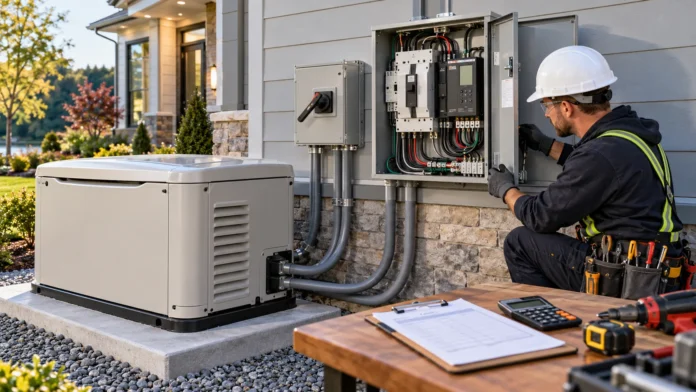
A power outage can interrupt daily activities, shut down important appliances, and make a home uncomfortable. A backup generator helps restore electricity, but connecting it safely requires the right equipment. A transfer switch for generator systems plays an essential role by allowing selected electrical circuits or an entire electrical installation to receive power from a backup source without sending electricity back into utility lines.
Generator transfer switches come in different types, sizes, and price ranges. Some models require manual operation, while others automatically detect a power failure and switch to generator power. Understanding how these systems work can help homeowners choose an appropriate option for their electricity needs and available budget.
In this guide, we will explain the types of generator transfer switches, their average costs, important features, and factors to consider before installation. You will also learn the differences between manual and automatic transfer switches and how to choose a suitable system for your home.
What Is a Transfer Switch for a Generator?
A generator transfer switch is an electrical device that controls which power source supplies electricity to a building or selected circuits. It allows electrical loads to receive power from either the utility supply or a compatible backup generator. A properly installed transfer switch prevents the two power sources from being connected together unintentionally.
During a power outage, a transfer switch allows generator electricity to supply the circuits included in the backup power system. Depending on the equipment, this change may happen manually or automatically. The switch also provides a controlled method for returning those circuits to utility power when normal electrical service becomes available.
Transfer switches are important because unsafe generator connections can create serious electrical hazards. Sending generator power into utility lines, commonly called backfeeding, can endanger utility workers and damage electrical equipment. A suitable transfer switch, installed by a qualified electrician, helps keep the backup electrical system properly isolated.
How Does a Generator Transfer Switch Work?
A transfer switch works by selecting between two available electrical power sources. Under normal conditions, the building receives electricity from the utility supply. When utility power becomes unavailable, the transfer switch allows a compatible backup generator to become the source for the circuits connected to the system.
The switching process depends on whether the device uses manual or automatic operation. A manual transfer switch requires a person to operate the equipment according to the manufacturer’s instructions. An automatic transfer switch monitors the utility supply and uses its control system to manage the transition when the required conditions are met.
When utility electricity returns, the transfer switch allows the electrical system to return to its normal source. Automatic systems typically perform this process after confirming that utility power has stabilized. Proper source isolation throughout the switching process prevents an unsafe connection between generator output and the utility network.
Types of Generator Transfer Switches
Generator transfer switches are available in several configurations designed for different electrical requirements. The two main operating categories are manual transfer switches and automatic transfer switches. Both serve the same basic purpose, but they differ in convenience, controls, equipment compatibility, and installation costs.
Other classifications include whole-house transfer switches, selected-circuit transfer switches, and service-entrance-rated equipment. Some products are designed for portable generators, while others are integrated with permanently installed standby generators. The most appropriate configuration depends on the building’s electrical system and the circuits requiring backup power.
Before selecting a transfer switch, homeowners should consider generator output, voltage, electrical service capacity, and expected power demand. Different systems may also require specific neutral-switching arrangements and additional protective equipment. A licensed electrician can evaluate these requirements and recommend equipment that complies with local electrical regulations.
Manual Transfer Switch for Generator
A manual transfer switch allows the homeowner or another responsible person to select the backup power source when utility electricity becomes unavailable. It is commonly used with portable generator systems that supply a limited number of essential circuits. Because it does not need automatic switching controls, the equipment is often less expensive.
Manual transfer switches may be suitable for households that experience occasional outages and do not require uninterrupted automatic backup operation. These systems can support selected electrical needs, such as refrigeration, lighting, and certain heating equipment. However, their capabilities depend on generator capacity and the circuits included in the installation.
One limitation is that someone must be available to operate the system when backup electricity is needed. Manual equipment also requires users to follow the manufacturer’s operating and safety instructions. Professional installation is essential to ensure correct electrical isolation, grounding arrangements, circuit protection, and compatibility with the generator.
Automatic Transfer Switch for Generator
An automatic transfer switch, commonly called an ATS, monitors the availability of utility electricity and manages switching between power sources. It is usually paired with a compatible standby generator capable of starting automatically. When an outage occurs, the system can activate the generator and transfer the connected electrical loads.
Automatic systems offer greater convenience because they do not require someone to be present during a power failure. This makes them useful for households relying on essential electrical equipment and businesses that need dependable backup electricity. Some systems also incorporate load management features that help prevent the generator from becoming overloaded.
Automatic transfer switches generally cost more than manual alternatives because they contain additional controls and electrical components. Installation can also be more complicated, particularly when integrating the switch with the main electrical service. The generator, controller, and transfer switch must be compatible for the automatic functions to operate correctly.
Whole-House Generator Transfer Switch
A whole-house transfer switch is designed to manage backup electricity for a home’s main electrical distribution system. These devices are commonly associated with permanently installed standby generators. Depending on the system design, they may supply the entire household load or use load management to prioritize available generator power.
The electrical rating of a whole-house transfer switch must match the installation requirements. Common residential service ratings include 100 amps and 200 amps, although other capacities are available. The transfer switch rating and generator output are separate specifications, so a 200-amp switch does not mean the generator can deliver 200 amps.
Whole-house systems are generally more expensive than smaller selected-circuit arrangements. They may require additional electrical planning, service modifications, and integration with existing distribution equipment. A qualified electrician should assess the home’s electrical demand and determine whether the proposed generator can support the intended backup loads.
Portable Generator Transfer Switch
A portable generator transfer switch provides a safer and more organized way to supply selected household circuits from a compatible portable generator. These systems commonly use manual switching arrangements. They can help homeowners keep essential equipment operating during temporary utility outages without attempting unsafe electrical connections.
Portable generator transfer switches are often designed for smaller backup power requirements than whole-house standby systems. Their capabilities depend on factors such as generator output, voltage, receptacle configuration, and connected electrical loads. Choosing compatible equipment is important because not every portable generator works with every transfer switch.
Portable generators must always operate outdoors, away from doors, windows, vents, and occupied spaces because their exhaust contains dangerous carbon monoxide. Never operate one inside a garage, even with the door open. An electrician should install the transfer equipment and verify that the system meets applicable electrical safety requirements.
Generator Transfer Switch Cost Breakdown
The price of a generator transfer switch depends on its type, electrical rating, switching controls, and manufacturer. Basic manual models typically cost less than automatic equipment designed for larger standby systems. The figures below are broad planning estimates in US dollars, not current retailer quotations or installation bids.
| Transfer Switch Type | Estimated Equipment Cost |
|---|---|
| Basic manual transfer switch | $150–$400 |
| Larger manual transfer switch or kit | $300–$700 |
| Automatic transfer switch for selected loads | $400–$1,000 |
| Whole-house automatic transfer switch | $600–$1,500+ |
| Service-entrance-rated automatic transfer switch | $800–$2,500+ |
These price ranges represent equipment costs and generally exclude professional installation, permit fees, generator purchase, and electrical service modifications. Actual prices may fall outside these ranges depending on available products and installation specifications. Transfer switches with specialized features or higher electrical ratings can be considerably more expensive.
When estimating project expenses, homeowners should request itemized quotations showing equipment, labor, inspection, and any necessary electrical upgrades. A lower purchase price does not always result in a less expensive installation. The total investment depends on how easily the transfer switch can integrate with the home’s existing electrical system.
How Much Does Generator Transfer Switch Installation Cost?
Professional installation costs vary depending on the transfer switch type, existing electrical panel, local labor rates, and required modifications. A straightforward manual transfer switch installation may cost approximately $300 to $800 in labor and related installation expenses. More complicated projects can cost significantly more, particularly when electrical upgrades or additional wiring are necessary.
Automatic transfer switch installation is often more expensive because the equipment must communicate with the standby generator and integrate with the home’s electrical distribution system. Installation expenses may range from approximately $500 to $1,500 or more for some residential projects. Whole-house installations involving service modifications can exceed these estimates considerably.
Additional expenses may include electrical permits, inspections, compatible connection equipment, and changes to the existing panel. Homeowners should obtain estimates from qualified electricians before purchasing equipment. Professional installation helps ensure the system meets applicable electrical codes and provides dependable backup electricity when needed.
Manual vs. Automatic Transfer Switch: Key Differences
Manual and automatic transfer switches perform the same essential electrical function, but their operating methods are different. A manual switch requires human involvement whenever the electrical supply needs to change. An automatic switch uses monitoring and control equipment to manage this transition without requiring someone to operate the switch during normal outage conditions.
Cost is another important difference between these two generator transfer switch types. Manual systems are generally more affordable and may be suitable for occasional backup electricity needs. Automatic systems require a larger investment but provide greater convenience, especially for households using permanently installed standby generators.
Choosing between these options depends on how frequently outages occur and how important automatic power restoration is to the household. Manual equipment may be appropriate when occasional interruptions are manageable. Automatic equipment can provide additional convenience for properties requiring backup electricity when residents are away or unable to operate the system.
What Size Transfer Switch Do I Need for My Generator?
Choosing the correct transfer switch size requires understanding the electrical service and the generator’s output specifications. Transfer switches are commonly rated in amperes, while generators are typically described in watts or kilowatts. These ratings must be evaluated together because the transfer switch needs to accommodate the electrical system without exceeding its approved operating limits.
Smaller transfer switches may be suitable for selected essential circuits, while larger equipment is often required for whole-house backup arrangements. For example, residential systems commonly use transfer switches rated at 30, 50, 100, or 200 amps. However, the appropriate rating depends on voltage, connected loads, circuit protection, and the equipment manufacturer’s specifications.
Selecting an oversized transfer switch does not increase the generator’s available electricity. Similarly, equipment with an inadequate electrical rating may create serious safety problems. A licensed electrician should determine the appropriate switch capacity, neutral configuration, and compatibility requirements based on the generator and electrical installation.
Can You Use a Generator Without a Transfer Switch?
Some portable generators can power individual appliances directly through appropriate manufacturer-approved connections without supplying electricity through the building’s wiring. However, connecting a generator to household circuits requires an approved method of isolating the utility supply. A properly installed transfer switch is one common way to provide that protection.
Using unauthorized electrical connections can create dangerous backfeeding conditions, electrical fires, and equipment damage. Backfeeding can energize utility lines that workers expect to be disconnected during an outage. Homeowners should never attempt to connect a generator directly to household wiring through an improvised connection or ordinary wall outlet.
In some locations, an approved generator interlock system may be an alternative to a separate transfer switch. Its suitability depends on the electrical panel, local code requirements, and approved equipment. A qualified electrician can explain which legally permitted connection methods are compatible with the building’s electrical installation.
Important Features to Look for in a Generator Transfer Switch
Electrical compatibility should be the first consideration when comparing transfer switches. The equipment must have suitable voltage, amperage, frequency, and switching characteristics for the intended installation. Homeowners should also verify that the selected product meets applicable safety standards and is approved for the electrical system.
Durability and environmental protection are important when equipment will be installed outdoors or in exposed areas. Outdoor-rated enclosures are designed to provide protection against specified environmental conditions. The correct enclosure rating depends on the installation location, expected weather exposure, and requirements established by the manufacturer and local regulations.
Additional features may include generator monitoring, load management, status indicators, and automatic switching controls. Some modern systems can prioritize essential loads when generator capacity is limited. These features can improve convenience and system management, but they should be evaluated alongside equipment quality, warranty coverage, and long-term service availability.
Common Generator Transfer Switch Problems
Generator transfer switches can develop problems because of aging components, electrical faults, environmental exposure, or incompatible equipment. Common warning signs may include failure to transfer power, unexpected shutdowns, or unusual operating behavior. These symptoms can also originate from the generator or its control system rather than the switch itself.
Automatic transfer switches depend on communication and coordination between several electrical components. If a generator fails to start or the control system detects an abnormal condition, backup electricity may not become available. Diagnosing these situations requires appropriate electrical testing and knowledge of the equipment’s operating characteristics.
Homeowners should avoid opening energized electrical enclosures or attempting internal repairs. Transfer switches can contain dangerous voltages even when utility electricity appears unavailable. A qualified electrician or authorized generator technician can inspect the equipment, identify the underlying problem, and perform repairs according to manufacturer recommendations.
How Long Does a Generator Transfer Switch Last?
A properly selected and installed generator transfer switch can provide dependable service for many years. Its actual lifespan depends on manufacturing quality, environmental conditions, operating frequency, and maintenance. Some systems remain functional for decades, but individual components may require attention or replacement earlier.
Automatic transfer switches contain control components and switching mechanisms that may experience wear over time. Manual systems generally have simpler operating arrangements, although they still require periodic inspection. Exposure to moisture, dust, corrosion, or excessive electrical loads can shorten the useful life of either type.
Routine professional maintenance can help identify developing issues before they cause unexpected failures. Inspections may include reviewing equipment condition, verifying proper operation, and checking for signs of deterioration. Homeowners should follow the manufacturer’s recommended maintenance schedule rather than assuming the transfer switch will remain reliable indefinitely.
How to Choose the Best Generator Transfer Switch for Your Home
Choosing a suitable generator transfer switch begins with identifying which electrical loads require backup power. Some households only need essential circuits, while others prefer broader coverage during extended outages. This decision helps determine whether a selected-circuit system or whole-house arrangement is more appropriate.
The next consideration is compatibility with the intended generator and existing electrical installation. Manual switches often work well with suitable portable generator setups, while automatic switches are commonly paired with permanently installed standby generators. Equipment ratings, switching requirements, and manufacturer approvals should guide the final selection.
Budget should include more than the initial purchase price. Installation labor, permits, inspections, maintenance, and possible electrical upgrades can substantially affect total project costs. Comparing professional quotations and choosing equipment that meets relevant safety standards can help homeowners make a practical long-term investment.
Conclusion
A transfer switch for generator systems is an important component of a properly designed backup electricity installation. It manages the connection between utility and generator power while preventing unsafe interaction between the two sources. Understanding the available switch types helps homeowners select equipment suited to their electrical requirements.
Manual transfer switches are generally more affordable and suitable for many occasional backup power applications. Automatic transfer switches provide greater convenience and are commonly used with permanent standby generators. Equipment prices can range from a few hundred dollars to several thousand dollars, depending on system specifications and features.
Before purchasing a transfer switch, consider generator compatibility, required electrical capacity, installation expenses, and local regulations. Always rely on a qualified electrician for installation and electrical modifications. A properly selected and maintained transfer switch can make backup power more dependable while helping protect the household and electrical system.
Frequently Asked Questions
How much does a generator transfer switch cost?
A basic manual transfer switch may cost approximately $150 to $400, while whole-house automatic models can cost $600 to $1,500 or more. Professional installation and electrical upgrades are additional expenses.
Do I need a transfer switch for a portable generator?
You generally need an approved transfer method when connecting a portable generator to household wiring. A transfer switch is one option, while certain approved interlock systems may also be permitted locally.
What is the difference between a manual and automatic transfer switch?
A manual transfer switch requires someone to change the power source. An automatic transfer switch monitors electricity availability and manages switching between utility and compatible generator power without routine manual operation.
Can a generator transfer switch power the whole house?
Yes, a properly designed whole-house transfer system can supply household electrical loads. However, the generator must have sufficient capacity, and some installations require load management to prevent overloads.
How long does it take to install a generator transfer switch?
A straightforward installation may take several hours, while more complicated whole-house systems can require a full day or longer. Project duration depends on wiring, equipment compatibility, permits, and electrical upgrades.