

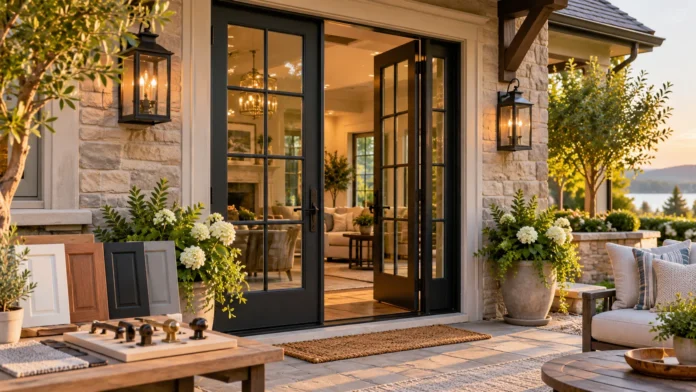
Exterior French doors are a popular choice for homeowners who want to improve natural lighting, create an attractive entrance, and connect indoor living areas with outdoor spaces. These doors usually feature large glass panels surrounded by wood, fiberglass, steel, or aluminum frames. Their elegant appearance makes them suitable for traditional homes, modern houses, patios, balconies, and garden entrances.
Choosing the right exterior French doors involves more than selecting an attractive design. Homeowners must consider materials, door configurations, energy efficiency, security features, installation requirements, and overall costs. Understanding these factors can help you select doors that complement your property’s architecture while providing reliable performance and long-term durability.
Exterior French doors also offer advantages such as improved outdoor access, increased daylight, and flexible design options. However, they require appropriate weather sealing, sufficient operating space, and regular maintenance depending on the material. This guide explains different French door styles, typical costs, major advantages, potential disadvantages, and practical tips for choosing the best option for your home.
What Are Exterior French Doors?
Exterior French doors are hinged entry doors that typically feature large glass panels extending across much of their surface. They are commonly installed in pairs, creating a wide opening between indoor and outdoor spaces. Their design allows natural light to enter while providing convenient access to patios, gardens, decks, and balconies.
Traditional French doors often include decorative divided glass panes, while modern versions may feature large uninterrupted glass panels. These variations allow homeowners to select designs that match different architectural styles. Exterior models are specifically constructed to withstand weather exposure and provide appropriate insulation, security, and durability.
Unlike interior French doors, exterior models require weather-resistant frames, suitable glazing, secure locking systems, and properly sealed thresholds. They must also meet applicable building requirements for exterior openings. Understanding these differences is important when comparing products because interior doors are generally unsuitable for direct outdoor exposure.
Popular Styles of Exterior French Doors
Exterior French doors are available in several styles that suit different home designs and functional requirements. Traditional French doors feature symmetrical panels, decorative glass divisions, and classic hardware. These doors are commonly used in colonial, farmhouse, Mediterranean, and other traditional residential architectural styles.
Modern exterior French doors often emphasize clean lines, narrow frames, and large glass surfaces. Black frames, simple handles, and minimal decorative details can create a contemporary appearance. These designs work particularly well in homes where homeowners want strong visual connections between indoor living areas and outdoor landscapes.
Rustic and farmhouse-style French doors may feature natural wood textures, darker hardware, and divided glass panels. Some designs incorporate decorative grilles or textured finishes for added character. Choosing a style that complements existing windows, siding, and architectural details helps create a more coordinated exterior appearance.
Single vs. Double Exterior French Doors
Single exterior French doors feature one hinged door panel with glass sections that resemble traditional French door designs. They are often suitable for smaller openings where installing two operating panels would be impractical. This configuration can provide natural light and attractive styling without requiring the width of a full double-door system.
Double exterior French doors typically consist of two hinged panels that meet in the center. Depending on the hardware, one panel may operate regularly while the other remains secured until additional access is needed. Opening both panels can create a wider passage for moving furniture or connecting indoor and outdoor entertaining areas.
The better choice depends on available opening dimensions, traffic patterns, and surrounding space. Double doors can provide a more expansive entrance, while single doors may be easier to accommodate in compact layouts. Homeowners should also consider installation costs, security hardware, and the amount of clearance required for door movement.
Inswing vs. Outswing French Doors
Inswing French doors open toward the interior of the house, making them suitable for entrances with sufficient indoor clearance. This configuration is common in residential properties and can provide convenient access from outside. However, furniture placement and room layout must allow the doors to swing freely without obstruction.
Outswing French doors open toward a patio, deck, or other exterior area. They can preserve usable indoor floor space and may suit rooms where furniture is positioned near the doorway. Their installation requires suitable outdoor clearance and hardware designed for exterior exposure and appropriate security.
Both configurations can perform well when properly selected and installed. The preferred option depends on climate, wind exposure, building regulations, weather sealing, accessibility, and available space. Reviewing these factors with a qualified installer helps ensure the door operates safely and fits the property’s specific requirements.
Best Materials for Exterior French Doors
The material used to manufacture exterior French doors significantly influences their appearance, durability, maintenance requirements, and price. Common options include wood, fiberglass, steel, aluminum, and combinations of these materials. Each has advantages that may make it more suitable for particular climates, budgets, and architectural designs.
Wood French doors offer natural character and can complement traditional homes, while fiberglass products often provide good durability with relatively modest maintenance needs. Steel doors offer structural strength and security features, although their performance depends on construction quality and protective finishes. Aluminum frames are commonly associated with contemporary designs and slimmer profiles.
When comparing materials, consider exposure to sunlight, humidity, rain, temperature changes, and coastal conditions. Energy performance also depends on insulation, glazing, seals, and frame construction rather than material alone. Selecting suitable materials can reduce maintenance needs and improve the long-term performance of your exterior doors.
Wooden Exterior French Doors
Wooden French doors are valued for their natural appearance, decorative flexibility, and compatibility with traditional architectural styles. Various wood species and engineered wood products are used in exterior door construction. Their warm appearance can create an inviting transition between indoor living spaces and gardens, patios, or other outdoor areas.
One advantage of wood is its ability to accommodate different paint colors, stains, and decorative details. Homeowners can choose finishes that coordinate with existing trim, flooring, and exterior materials. Properly constructed wooden doors may also offer good insulating characteristics when combined with suitable glazing and weather seals.
However, exterior wood doors generally require ongoing maintenance to protect them from moisture, sunlight, and temperature changes. Neglected finishes can contribute to swelling, cracking, or deterioration. Regular inspections and appropriate refinishing help maintain appearance and support longer service life, particularly in challenging weather conditions.
Fiberglass Exterior French Doors
Fiberglass French doors have become popular because they combine durability with a range of decorative finishes. Many products are designed to resemble natural wood, making them suitable for both traditional and contemporary homes. Fiberglass can resist certain moisture-related problems that may affect improperly maintained wooden doors.
These doors are often available with insulated cores, decorative glass panels, and factory-applied finishes. Their energy performance depends on the complete door assembly, including glazing, frame materials, and weather sealing. Homeowners seeking relatively low-maintenance exterior doors may find fiberglass an appealing option.
Although fiberglass doors can be durable, product quality varies between manufacturers. Lower-quality finishes may fade, and damaged surfaces can sometimes require specialized repair methods. Comparing warranties, construction details, hardware quality, and glazing performance helps identify products suited to long-term residential use.
Steel and Aluminum Exterior French Doors
Steel exterior French doors can provide a strong framework and are available in different traditional and contemporary designs. Some products use insulated construction to improve thermal performance. Steel frames and panels require suitable protective finishes because exposed or damaged areas may develop corrosion under certain environmental conditions.
Aluminum French doors are often selected for modern homes because they can support narrow frame profiles and large glass sections. Their lightweight construction and corrosion resistance make them useful in various applications. However, aluminum conducts heat readily, so thermally broken frames are important when energy efficiency is a priority.
Both materials can provide durable solutions when the complete door system is designed and installed properly. Consider frame construction, thermal performance, weather resistance, and locking mechanisms before choosing. The most suitable option depends on local climate conditions, desired appearance, and the performance specifications of the individual product.
Exterior French Doors With Glass Panels
Glass is a defining feature of French doors and strongly influences their appearance, lighting, privacy, and energy efficiency. Clear glass creates an open visual connection between interior rooms and outdoor spaces. This makes it particularly attractive for patio entrances overlooking gardens, courtyards, or landscaped areas.
Homeowners seeking greater privacy may prefer frosted, textured, or decorative glass. These options allow varying levels of daylight while reducing direct visibility from outside. Decorative grilles and divided-light designs can also create traditional styling without necessarily requiring many separate glass panes.
Safety and durability are important when selecting glazing for exterior doors. Applicable building codes commonly require safety glazing in door assemblies, often using tempered or other approved safety glass. Confirm that the selected product meets local requirements and provides suitable protection against weather exposure and everyday use.
Energy-Efficient Exterior French Doors
Energy efficiency is an important consideration because French doors typically contain large glass areas. Poorly insulated frames, unsuitable glazing, or inadequate weather sealing can contribute to unwanted heat transfer. Selecting energy-efficient exterior French doors may help maintain indoor comfort and reduce heating or cooling demand.
Look for features such as double-pane or triple-pane insulated glass, low-emissivity coatings, and well-designed thermal barriers. Performance labels may provide information about U-factor and solar heat gain coefficient. The appropriate specifications depend on climate, building orientation, and how much sunlight reaches the doors.
Proper installation is equally important because gaps around the frame can reduce the benefits of efficient materials. Quality weatherstripping, suitable thresholds, and correctly sealed joints help limit unwanted air and water infiltration. Choosing a complete door system based on tested performance provides a more reliable approach than evaluating glass alone.
Security Features of Exterior French Doors
Security is a common concern when selecting exterior French doors because their large glass panels and double-door configurations differ from conventional solid entry doors. However, modern systems can incorporate reinforced frames, suitable safety glazing, and advanced locking mechanisms. Their actual security depends on the complete assembly and quality of installation.
Multipoint locking systems can secure the operating door at several locations along its frame. Double-door configurations may also use appropriately designed flush bolts or other mechanisms to secure the less frequently used panel. Durable hinges, compatible strike plates, and secure frame attachment further support reliable operation.
Homeowners should compare tested security features rather than relying solely on material appearance or the number of locks. Choosing quality hardware and professional installation can improve resistance to unauthorized entry. Additional lighting and properly positioned security equipment may also support overall home security.
How Much Do Exterior French Doors Cost?
Exterior French door prices vary considerably depending on materials, dimensions, glazing, configuration, and manufacturer. In the United States, basic door units may cost approximately $500 to $1,500, while midrange and premium systems can range from around $1,500 to $5,000 or more. These are broad planning estimates, not verified current retail quotations.
Custom sizes, premium wood, specialized glass, and high-performance hardware can increase the purchase price. Double-door systems may also cost more than comparable single-door designs because they require additional panels and components. Decorative finishes, sidelights, and transoms can further increase the total project budget.
When estimating costs, distinguish between the price of the door unit and the fully installed expense. Labor, removal of existing doors, structural modifications, trim work, and finishing materials may add significant costs. Obtaining detailed local quotations provides a more dependable estimate for your particular home improvement project.
Exterior French Door Installation Costs
Installation costs depend on whether the new French doors fit an existing opening or require substantial structural changes. Replacing an existing exterior door with a similarly sized unit is often less complicated than creating a new opening. Labor rates, accessibility, and the condition of surrounding walls also influence expenses.
A straightforward professional installation may involve several hundred to over a thousand dollars in labor, while complex projects can cost substantially more. Widening an opening, modifying framing, repairing surrounding materials, or relocating utilities can increase the budget considerably. Permit requirements and local building regulations may create additional expenses.
Professional installation is especially important for ensuring proper alignment, weather protection, and safe operation. Incorrectly fitted exterior doors can allow moisture infiltration, drafts, and premature hardware wear. Request itemized estimates that explain labor, materials, disposal, sealing, and any necessary structural preparation.
Factors That Affect Exterior French Door Prices
Door material is one of the biggest factors influencing the final purchase price. Basic steel or fiberglass models may be more affordable than premium hardwood or specialized aluminum systems. However, the actual cost depends on manufacturer quality, product construction, energy efficiency, and included hardware.
Size and design complexity also affect pricing. Standard door dimensions are often easier to source, while customized widths, unusual heights, or specialty architectural features typically involve additional manufacturing costs. Decorative glazing, divided-light patterns, and upgraded locking systems can further increase the price.
Regional labor rates and project conditions influence the installed cost as well. Homes requiring major structural alterations, weatherproofing repairs, or specialized installation may face higher expenses. Comparing products with similar specifications and obtaining several professional estimates helps homeowners understand whether a particular price represents reasonable value.
Advantages of Exterior French Doors
One of the biggest advantages of exterior French doors is their ability to bring natural light into interior living spaces. Large glass panels can make rooms feel brighter and more connected to the outdoors. This feature is particularly appealing in dining rooms, living rooms, kitchens, and spaces facing landscaped gardens.
French doors also provide attractive access to patios, decks, and balconies. Double-door configurations can create a generous opening when both panels are opened, making movement between indoor and outdoor areas more convenient. Their symmetrical appearance can enhance the architectural character of both traditional and contemporary homes.
Another advantage is design flexibility, with numerous frame materials, glazing options, finishes, and hardware styles available. Homeowners can select doors that complement existing windows and exterior details. When properly specified and installed, high-quality French doors can combine visual appeal with dependable functionality.
Disadvantages of Exterior French Doors
Despite their advantages, exterior French doors have limitations that homeowners should consider. Hinged panels require clearance to open, which may be inconvenient in small rooms or narrow outdoor areas. Furniture, landscaping, and nearby fixtures can restrict their movement if the layout is not planned carefully.
French doors may also require more attention to weather sealing than certain alternative door configurations, particularly around the meeting edges of double doors. Poor installation or worn seals can allow unwanted air and moisture infiltration. Proper maintenance is therefore important for preserving energy efficiency and indoor comfort.
Large glass areas may create privacy concerns or increase solar heat gain depending on glazing specifications and orientation. Premium models can also be expensive to purchase and install. Comparing these disadvantages with your home’s needs helps determine whether French doors are the most suitable exterior entry solution.
Exterior French Doors vs. Sliding Patio Doors
Exterior French doors and sliding patio doors both provide access between indoor and outdoor areas, but their operating mechanisms differ. French doors typically swing on hinges, while sliding patio doors move horizontally along tracks. This difference affects clearance requirements, appearance, ventilation, and how each system fits into a room.
Sliding doors can be useful when there is limited space for a swinging panel. They often provide wide glass areas and a streamlined appearance suited to contemporary homes. French doors, meanwhile, offer traditional styling and may provide a broad opening when both panels can swing fully.
Neither option is automatically better in every situation. Security, energy performance, maintenance, and cost depend on product specifications and installation quality. Homeowners should compare available space, desired appearance, accessibility requirements, and performance ratings before deciding between exterior French doors and sliding patio doors.
Choosing Exterior French Doors for a Patio
Patio French doors should provide convenient outdoor access while complementing the surrounding living space. Consider how frequently the doors will be opened and whether outdoor furniture affects the available swing area. A well-positioned doorway can improve movement between kitchens, dining rooms, entertainment areas, and patios.
Choose materials and finishes suited to the amount of weather exposure the entrance receives. Covered patios may offer some protection, while exposed entrances require careful attention to drainage and weather sealing. Energy-efficient glazing can also help control indoor temperatures when doors face strong sunlight.
When planning a patio entrance, evaluate threshold height, accessibility, and the relationship between interior and exterior flooring. Proper drainage helps prevent water accumulation near the doorway. Working with an experienced installer can help create a functional transition that combines attractive styling with dependable performance.
Exterior French Doors for Modern Homes
Modern exterior French doors often feature minimalist frames, large glass panels, and understated hardware. Black aluminum, steel, and other contemporary finishes are commonly used to create strong architectural lines. These doors can complement modern siding, expansive windows, and open-plan interior layouts.
Large glass surfaces help connect interior spaces with gardens, terraces, and outdoor entertaining areas. However, maximizing glass area should not come at the expense of energy performance or safety. Appropriate glazing specifications and well-designed frames are essential for maintaining comfort throughout seasonal temperature changes.
For a coordinated appearance, consider matching door frame finishes with surrounding windows and architectural details. Simple handles and clean trim profiles can support a modern aesthetic without excessive decoration. Choosing a balanced design creates visual continuity while preserving the everyday practicality of an exterior entry.
How to Maintain Exterior French Doors
Regular maintenance helps exterior French doors operate smoothly and maintain their weather resistance. Periodically inspect hinges, locking mechanisms, weatherstripping, thresholds, and frame joints for wear or damage. Addressing small problems early can prevent more expensive repairs and reduce unnecessary drafts or moisture infiltration.
Clean glass panels using suitable products and follow manufacturer instructions for frame materials. Wooden doors may require periodic refinishing, while fiberglass and metal systems often have different maintenance needs. Avoid harsh cleaning methods that could damage protective coatings, glazing seals, or decorative finishes.
Check that both door panels open, close, and lock correctly without excessive force. If the doors become difficult to operate, the problem may involve hardware adjustment, alignment, or structural movement. Professional inspection is advisable when issues affect security, weather sealing, or safe operation.
Common Mistakes to Avoid When Buying French Doors
One common mistake is choosing exterior French doors based entirely on appearance without considering performance requirements. A door that looks attractive may not offer suitable insulation, weather resistance, or security for its location. Always compare technical specifications alongside frame finishes and decorative glass options.
Another mistake is taking incomplete measurements or overlooking swing clearance. Door width, height, frame depth, wall construction, and nearby obstacles all affect installation suitability. Professional measurements can reduce the risk of ordering incompatible products, particularly for custom-sized openings or replacement projects.
Homeowners sometimes underestimate installation costs and long-term maintenance requirements. Purchasing inexpensive doors may not provide the best value if poor construction leads to frequent repairs. Evaluating the full project budget, product warranty, installation quality, and expected durability supports a more informed investment.
Conclusion
Exterior French doors offer an attractive combination of natural lighting, convenient outdoor access, and versatile architectural styling. Available in wood, fiberglass, steel, aluminum, and other configurations, they can complement traditional and contemporary homes. Understanding different materials, opening styles, and glazing options helps homeowners choose doors that match their needs.
Costs depend on door size, material quality, glass performance, installation complexity, and regional labor rates. Considering security, energy efficiency, weather resistance, and maintenance alongside the purchase price provides a more complete picture of long-term value. Proper installation is particularly important for ensuring reliable operation and protection against outdoor conditions.
Choosing the right exterior French doors requires balancing appearance with practical performance. By comparing product specifications, planning installation carefully, and selecting suitable materials, homeowners can create a bright and welcoming connection to outdoor spaces. Quality doors that are maintained properly can remain functional and visually appealing for many years.
Frequently Asked Questions (FAQs)
How much do exterior French doors cost?
Exterior French door units may cost approximately $500 to $5,000 or more in the United States, depending on materials, size, and features. Professional installation and structural modifications can increase the total expense.
Are exterior French doors energy-efficient?
Yes, exterior French doors can be energy-efficient when they feature insulated glazing, appropriate frame construction, and effective weather sealing. Performance depends on product specifications, local climate, and proper installation.
What is the best material for exterior French doors?
Fiberglass is popular for durability and relatively low maintenance, while wood offers traditional appearance and customization. Steel and aluminum provide additional options depending on security, design, and energy performance requirements.
Are French doors more expensive than sliding patio doors?
French doors can be more expensive than some basic sliding patio doors, but prices vary widely. Material quality, glass specifications, dimensions, hardware, and installation complexity determine the actual cost difference.
Do exterior French doors increase home value?
Attractive, properly installed French doors may improve a property’s appeal, functionality, and natural lighting. However, their effect on resale value depends on installation quality, local buyer preferences, and overall home condition.