

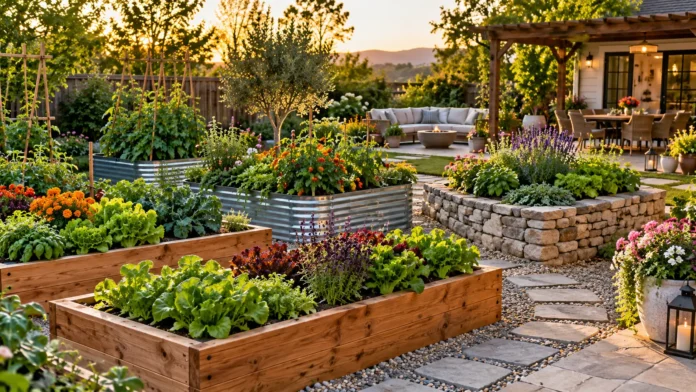
Why Raised Garden Beds Are a Smart Choice
Raised garden beds can make an outdoor space more organized, productive, and visually appealing. By lifting the growing area above ground level, they create clear boundaries for vegetables, herbs, flowers, or mixed planting. They can also make gardening more comfortable because the soil is easier to reach and less likely to become compacted by regular foot traffic.
Another advantage is greater control over soil quality. Instead of relying entirely on the existing ground, you can fill the bed with a balanced growing mix suited to the plants you want to grow. This is especially useful in areas with poor drainage, heavy clay, rocky soil, or other conditions that make traditional in-ground gardening difficult.
Raised beds also offer plenty of design possibilities. They can be built from wood, metal, brick, stone, or other durable materials and arranged to suit almost any yard. Whether you have a large backyard, small patio, narrow side space, or modern landscape, the right raised garden bed can improve both function and appearance.
Use Wooden Raised Beds for a Classic Look
Wooden raised beds are among the most popular choices because they look natural and fit easily into many garden styles. Simple rectangular designs can be built in different sizes depending on available space. Wood also works well beside lawns, fences, patios, and cottage-style gardens because its warm appearance blends naturally with plants and surrounding landscaping.
Choose durable wood that can handle outdoor conditions for several seasons. Boards should be thick enough to hold soil without bending once the bed is filled. If you are growing edible plants, select materials that are suitable for garden use and avoid finishes or treatments that may not be appropriate around vegetables and herbs.
Wooden beds are easy to customize with corner posts, built-in seating, trellises, or decorative edging. You can keep the natural finish or choose an outdoor-safe stain that complements your home. Over time, the wood may weather and change color, which can create an attractive aged appearance in more relaxed garden designs.
Try Metal Beds for a Modern Garden Style
Metal raised garden beds are a practical choice for gardeners who prefer clean lines and a contemporary appearance. Galvanized steel and similar materials can create strong structures that resist warping and remain stable when filled with soil. Their simple shape works especially well in modern courtyards, vegetable gardens, and spaces with minimalist landscaping.
Metal beds are available in rectangular, square, round, and oval designs, giving you more flexibility when planning the layout. Taller versions can reduce bending and make maintenance more comfortable. They can also create a strong visual contrast with soft green foliage, colorful flowers, and natural materials such as gravel, timber, or stone.
In very sunny climates, metal surfaces may become warm, so consider placement and soil moisture carefully. Adequate watering and mulch can help maintain more stable root-zone conditions. Choosing a design with rounded edges or protective trim can also make the bed safer and more comfortable to work around during regular garden maintenance.
Create Tiered Beds for Small or Sloped Spaces
Tiered raised beds are useful when you want to grow more plants within a limited footprint. By arranging several growing levels vertically, you can separate herbs, vegetables, flowers, or trailing plants while creating an attractive layered appearance. This approach works well in small backyards, patios, or areas where horizontal growing space is limited.
A tiered design can also help manage a sloping garden. Instead of trying to level the entire area, several stepped beds can follow the natural change in height. Each level can hold different plants, giving the garden a structured look while reducing soil movement and making difficult terrain easier to use.
Place taller plants on levels where they will not shade smaller varieties unnecessarily. Herbs and compact vegetables can work well on upper tiers, while spreading or trailing plants may soften the lower edges. Planning sunlight and mature plant size before planting prevents the tiers from becoming crowded once everything begins growing.
Add Built-In Seating Around Raised Beds
Combining a raised garden bed with seating can make the garden more comfortable and multifunctional. A wide top edge or attached bench provides a convenient place to sit while planting, harvesting, or simply enjoying the outdoor space. This is especially useful in small gardens where every structure needs to serve more than one purpose.
Built-in seating can be added to one side or around several edges depending on the design. Make sure the seat is strong, stable, and positioned where it will not block access to important parts of the bed. You should still be able to reach plants in the center without stepping onto the soil.
This type of design works particularly well around patios, courtyards, and family garden areas. Add cushions when using the seating for relaxation, but remove or protect them during bad weather. Combining growing space with comfortable seating can make a raised bed feel like a permanent part of the landscape rather than a separate gardening feature.
Build L-Shaped Beds for Corners
L-shaped raised beds are a practical solution for garden corners that might otherwise remain unused. They can follow fences, walls, or patio edges while creating more growing space without taking over the entire yard. This shape also gives the garden a structured appearance and can help define separate areas for dining, relaxing, or planting.
The two sections of an L-shaped bed can be used for different purposes. One side might hold herbs and compact vegetables, while the other contains flowering plants or taller crops. Keeping related plants together makes watering and harvesting easier and can help the overall bed look more intentional rather than randomly filled.
Measure the depth carefully so you can reach every part of the soil without stepping inside. Extremely wide beds can become difficult to maintain, especially near the corner section. Keeping the planting area within comfortable reach makes weeding, pruning, harvesting, and adding compost much easier throughout the growing season.
Use Raised Beds as Garden Borders
Raised beds can do more than hold plants; they can also define different sections of an outdoor space. Long narrow beds placed along pathways, patios, fences, or lawns create clean visual boundaries. This can make a garden feel more organized while adding flowers, herbs, or greenery to areas that might otherwise look plain.
Border beds work especially well when planted with a repeating combination of colors and textures. Low-growing flowers can soften the outer edge, while herbs, grasses, or taller plants provide structure behind them. Repetition helps the garden feel coordinated and prevents a long bed from looking like a disconnected collection of unrelated plants.
If the border sits beside a walkway, choose plants that will not constantly lean into the path. Compact varieties and controlled growth habits make maintenance easier. You can also use decorative mulch, gravel, or edging around the bed to strengthen the boundary and create a cleaner transition between planting areas and walking surfaces.
Add Trellises for Vertical Growing
A trellis can dramatically increase the usefulness of a raised bed by creating vertical growing space. Climbing vegetables, flowering vines, and some fruiting plants can grow upward instead of spreading across the soil. This leaves more room for smaller plants below and can make harvesting easier when stems and fruits remain visible.
Attach the trellis securely to the raised bed so it can support mature plants and handle wind. Position it where tall growth will not shade sun-loving crops for most of the day. A trellis placed along the north side of a sunny bed often works well because climbing plants are less likely to block light from shorter plants.
Trellises can also add style to the garden. Wood creates a softer traditional appearance, while metal frames can look more modern. Arched trellises between two raised beds can create an especially attractive feature, allowing climbing plants to grow overhead while leaving a pathway underneath for easy access.
Turn Raised Beds Into Herb Gardens
Raised beds are excellent for herbs because they provide organized growing areas close to the kitchen or outdoor cooking space. Basil, parsley, thyme, rosemary, mint, chives, and other culinary herbs can be arranged according to their growing needs. Keeping herbs nearby makes it easier to harvest small amounts while preparing meals.
Group herbs with similar sunlight and watering requirements together. Mediterranean herbs such as rosemary and thyme generally prefer sunnier, drier conditions than moisture-loving varieties. Mint can spread aggressively, so keeping it in a separate pot within or beside the raised bed can help prevent it from taking over other plants.
An herb-focused raised bed can also be decorative. Mix different leaf colors, heights, and textures to create visual interest even when the plants are not flowering. Small labels can make the bed easier to use, especially when several herbs have similar-looking leaves or when multiple family members harvest from the garden.
Grow Flowers and Vegetables Together
Raised beds do not need to contain only vegetables. Mixing edible crops with flowers can create a colorful and productive garden that feels more decorative. Marigolds, nasturtiums, zinnias, calendula, and other flowering plants can add seasonal color between herbs, leafy greens, tomatoes, peppers, and other vegetables.
Pay attention to mature plant size so flowers do not crowd or shade productive crops. Place taller vegetables where they receive enough sunlight without blocking smaller flowers. Low-growing blooms can be used along bed edges, while taller flowering plants can provide vertical interest in carefully selected corners.
A mixed raised bed can look especially attractive near patios or entrances where purely functional vegetable rows may feel too informal. Combining food and flowers creates a garden that serves several purposes at once. It can provide harvests, color, pollinator activity, and a more natural appearance throughout the growing season.
Use Gravel Paths Between Raised Beds
Gravel pathways can make a group of raised beds look clean, organized, and easier to access. They create firm walking areas between beds and help reduce mud after watering or rain. A defined path also discourages people from stepping into the growing soil, which helps prevent unnecessary compaction around plant roots.
Make paths wide enough for comfortable movement. If you use a wheelbarrow or garden cart, leave additional space so you can turn and move between beds easily. Narrow pathways may look efficient at first but can become inconvenient once plants grow over the edges and gardening tools need to be carried through the area.
Adding landscape fabric or another suitable base beneath gravel may help reduce weeds depending on the design. You can also combine gravel with stepping stones for a more decorative finish. The neutral texture creates an attractive background for wood, metal, flowers, and green foliage, helping the entire raised-bed area feel intentionally designed.
Create Deep Beds for Root Vegetables
Deep raised beds provide extra soil volume for root vegetables and plants with larger underground systems. Carrots, parsnips, potatoes, and similar crops benefit from loose soil that allows roots or tubers to develop without hitting compacted ground. Deeper beds can also make gardening more comfortable by bringing the planting surface closer to waist height.
Filling a deep bed entirely with expensive premium soil may not always be necessary. Depending on the design and crops, gardeners sometimes use suitable organic materials in lower layers before adding a generous depth of high-quality growing mix above. The important point is ensuring roots have enough healthy, well-draining soil where active growth occurs.
Deep beds can also hold moisture longer than very shallow containers, which may reduce watering frequency during warm weather. However, drainage still matters because excess water should not remain trapped around roots. A balanced mix containing organic matter helps maintain both moisture retention and enough air space for healthy root development.
Add Irrigation for Easier Maintenance
Installing simple irrigation can make raised-bed gardening much easier, especially during hot weather or busy weeks. Drip lines and soaker hoses deliver water directly to the soil instead of spraying large amounts onto paths and leaves. This can reduce waste while helping moisture reach plant roots more consistently.
Place watering lines before plants become large and difficult to work around. Test the system to make sure each area receives enough moisture without leaving certain sections dry. Beds containing different plant types may need separate watering zones if some crops require more frequent moisture than others.
A timer can automate part of the routine, but gardeners should still check soil conditions rather than relying completely on a fixed schedule. Rainfall, temperature, plant size, and season can change water needs. Combining irrigation with mulch can further reduce evaporation and help the raised beds remain easier to maintain.
Upgrade Raised Beds With Lighting and Décor
Lighting can make raised garden beds attractive after sunset while improving visibility around paths and seating areas. Small solar lights, low-voltage fixtures, or subtle string lighting can highlight plant shapes without overwhelming the space. Place lights carefully so they illuminate edges and pathways rather than shining directly into people’s eyes.
Decorative touches such as plant labels, painted corner posts, small sculptures, or patterned containers can add personality. Keep accessories limited so the garden still feels natural and plants remain the main attraction. One or two repeating decorative elements usually create a more polished appearance than filling every available space with ornaments.
You can also coordinate bed materials with other landscape features. Matching wood tones, metal finishes, or stone textures with nearby fences, patios, and furniture creates visual consistency. These small design decisions help raised beds feel integrated with the overall yard instead of looking like temporary structures placed randomly in the garden.
Conclusion
Raised garden beds can transform an ordinary outdoor area into a more productive and attractive space. Wooden beds, metal designs, tiered layouts, trellises, built-in seating, and creative shapes provide options for nearly every garden size. The best design combines practical growing space with a layout that complements your home and landscape.
Think carefully about access, sunlight, plant height, drainage, and watering before finalizing the layout. Small details such as gravel paths, irrigation lines, mulch, and comfortable bed height can make maintenance significantly easier. Planning these features early prevents you from having to redesign the entire garden once plants become established.
A raised-bed garden does not need to be complicated to look impressive. Start with a few well-positioned beds and upgrade them gradually with flowers, vegetables, trellises, seating, or decorative features. With thoughtful planning, raised beds can provide fresh produce, colorful planting, and a more organized outdoor space for years.
FAQs
What is the best material for a raised garden bed?
Wood and galvanized metal are popular choices because they are practical, attractive, and easy to find. Stone or brick can provide a more permanent option if you want a stronger landscape feature.
How deep should a raised garden bed be?
Many common vegetables and flowers can grow well in moderate-depth beds, while root vegetables benefit from deeper soil. Choose the depth according to the mature root system of the plants you plan to grow.
What should I put at the bottom of a raised bed?
The bottom should allow good drainage. Depending on bed depth and design, you may use soil, suitable organic materials, or a barrier where needed, but always provide enough quality growing mix for healthy roots.
Can flowers and vegetables grow in the same raised bed?
Yes. Flowers, herbs, and vegetables can grow together when they have compatible sunlight, water, and spacing needs. Mixed planting can create a productive bed that also looks colorful and attractive.
Are raised beds easier to maintain than traditional gardens?
They can be. Raised beds offer better control over soil, clearer boundaries, easier access, and reduced compaction. Adding mulch, irrigation, and wide pathways can make routine watering, weeding, and harvesting even easier.