

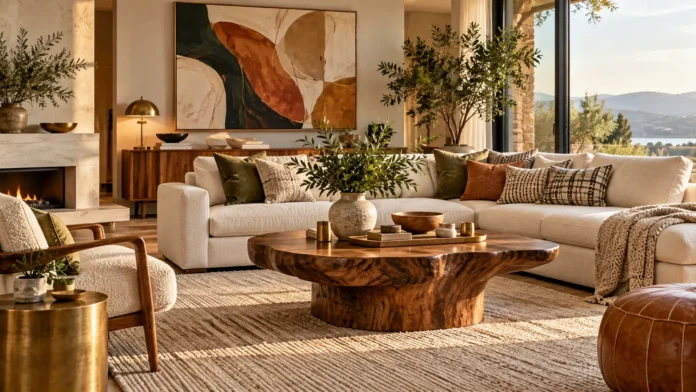
Home Decor Ideas for a Stunning Look
A stunning home does not depend on expensive furniture or a complete renovation. Thoughtful home decor ideas can make a room feel attractive through balanced colors, comfortable arrangements, suitable lighting, and personal details. The most successful spaces reflect how you live, giving you somewhere enjoyable to spend time rather than simply creating an impressive photograph.
Start by noticing what already works in your home and what feels unfinished. Perhaps the living room lacks a focal point, the bedroom feels crowded, or the entryway collects belongings without offering useful storage. Identifying a specific problem helps you choose improvements that make a visible difference while also making the space easier to use.
You can transform the appearance of a room gradually instead of replacing everything at once. Rearranging furniture, introducing texture, displaying meaningful artwork, and changing lighting can refresh familiar surroundings. The ideas below will help you create a coordinated interior that feels welcoming, practical, and personal, whether you are decorating a compact apartment or a larger family home.
Choose a Color Palette That Connects the Room
A coordinated color palette gives a room a clear visual direction. Begin with existing features that you intend to keep, such as flooring, a sofa, or a wooden cabinet, then choose colors that complement them. This approach makes decorating easier because each new addition relates to something already present rather than becoming another unrelated element.
Neutral backgrounds can support many styles, but neutral does not have to mean plain or colorless. Cream, warm gray, soft beige, and muted earthy shades create different moods depending on their undertones and surrounding materials. Add a few accent colors through cushions, artwork, curtains, or accessories, repeating them selectively so the room feels connected without becoming overly matched.
Test paint samples in the actual room before making a final decision. A color can appear different in morning light, evening light, and beside existing furniture, which makes small sample cards an imperfect guide. Observe the shade across several parts of the day, then choose a finish appropriate for the surface and the maintenance it will require.
Arrange Furniture Around Comfort and Movement
Furniture placement influences how a room feels as much as the furniture itself. Before buying anything new, experiment with the pieces you already own and check whether people can move comfortably between them. A practical arrangement leaves access to doors, storage, and frequently used areas while supporting the activities that happen most often in the room.
In a living room, position seating so people can talk without leaning awkwardly or turning constantly. A sofa and chairs do not need to sit against every wall, particularly if moving one piece inward creates a more comfortable grouping. Consider where someone will place a drink, reach a lamp, or walk through when others are seated.
Choose furniture according to the room’s dimensions rather than judging it only in a showroom. An oversized sofa can dominate a compact space, while several undersized pieces may make a larger room feel scattered. Measure carefully and mark the proposed footprint on the floor so you can assess scale before committing to a purchase.
Create a Focal Point That Gives the Room Direction
A focal point helps the eye understand where to settle when entering a room. It might be a fireplace, a large artwork, an attractive window, or a distinctive piece of furniture. Identify an existing feature worth emphasizing before adding a new one, because the room may already have a natural center that simply needs better support.
Arrange surrounding pieces to strengthen that feature without making everything point toward it rigidly. A statement artwork can sit above a console with a simple lamp, while a fireplace may benefit from balanced seating nearby. Keep competing details quieter so the focal point remains noticeable rather than disappearing among several equally bold patterns and decorative objects.
A feature wall can also create emphasis when used thoughtfully. Paint, wallpaper, or a suitable textured finish may define a dining area or highlight the wall behind a bed. Consider how it meets adjoining surfaces and furniture, ensuring the result looks deliberate instead of feeling like a decorative idea added without reference to the rest of the room.
Combine Different Lighting Sources for a Softer Atmosphere
Lighting can change the atmosphere of a room even when the furniture and colors remain the same. One bright ceiling fixture may provide visibility but leave the space feeling flat or uncomfortable. Combine general lighting with lamps and focused lighting so you can support different activities and adjust the mood throughout the day and evening.
A floor lamp beside a reading chair provides a useful local light source, while table lamps can make a living room feel more inviting. In a bedroom, accessible bedside lighting supports a relaxed routine without requiring the main ceiling light. Place fixtures where they serve a clear purpose rather than adding lamps only to fill an empty corner.
Pay attention to how light falls across the room and whether bulbs create distracting differences in color. Nearby fixtures generally feel more coherent when their light appearance works together, although brightness can vary according to the task. Keep cords organized, follow product instructions, and involve a qualified electrician when the change requires alterations to fixed wiring or fittings.
Add Texture Through Rugs, Curtains, and Cushions
Texture brings depth to a room even when the color palette is restrained. A woven rug, soft throw, wooden surface, and upholstered chair can each contribute a different visual and tactile quality. Combining these materials makes the space feel more considered than relying on many small decorative objects to create interest across every available surface.
Choose a rug that supports the furniture arrangement rather than appearing isolated in the center. In a seating area, a rug large enough to connect the main pieces can help define the grouping. Check practical details such as door clearance, cleaning needs, and secure placement, especially where the rug sits along a frequently used route.
Curtains and cushions offer flexible ways to adjust the room’s character. Select curtain length and placement according to the window, nearby furniture, and the effect you want, then avoid blocking useful daylight unnecessarily. Mix cushion textures or patterns within a coordinated palette, leaving enough clear seating space for the sofa to remain comfortable in everyday use.
Bring Plants and Natural Materials into Your Decor
Indoor plants can add color, varied shapes, and a sense of life to a room. Choose plants according to the available light and the care you can realistically provide, rather than purchasing several purely for their appearance. A healthy plant in a well-chosen position generally contributes more than a crowded collection struggling in unsuitable conditions.
Use plant size to complement the room’s scale. A larger plant may fill an empty corner, while a smaller one can add interest to a shelf or side table without dominating it. Protect surfaces from water, keep access routes clear, and check whether any plant you bring home is suitable around children or animals in your household.
Natural materials can extend this approach beyond greenery. Wood, woven baskets, linen, and ceramic pieces introduce warmth through their surfaces and subtle variations, even within a simple color scheme. You do not need to use every material in one room; a few repeated details can connect the decor while allowing each piece to remain useful and noticeable.
Decorate Walls with Artwork That Feels Personal
Artwork gives your home an opportunity to reflect interests and experiences that are specific to you. Photographs, prints, paintings, and framed textiles can all work when their scale and placement suit the wall. Choose pieces you enjoy looking at rather than selecting something only because its colors match a cushion or imitate a showroom arrangement.
Before hanging a large piece or a gallery wall, plan the positions using paper templates. This helps you assess spacing and overall shape without repeatedly making holes while experimenting. Look at the arrangement from the places where you usually sit or stand, because a display that works close up may feel uneven when viewed across the room.
Consider the relationship between artwork and the furniture beneath it. A very small frame above a wide sofa may look disconnected unless it forms part of a larger grouping, while an oversized piece can overwhelm a narrow wall. Use suitable fixings for the wall and frame weight, and avoid placing valuable or delicate pieces where moisture or direct sunlight could damage them.
Use Mirrors to Introduce Light and Visual Depth
A mirror can make a room feel more open by reflecting light and extending the view. Its effect depends on placement, so consider what will appear in the reflection before choosing a wall. A mirror facing an attractive feature can strengthen the room’s appearance, while one reflecting clutter may simply make the visual distraction more noticeable.
In an entryway, a mirror above a practical console can create a useful spot for checking your appearance before leaving. In a living room, it may reflect daylight or a pleasing arrangement elsewhere in the space. Choose its size and frame according to the surrounding furniture so it feels integrated rather than suspended as an unrelated decorative addition.
Secure mirrors carefully, particularly larger pieces that are heavy or positioned near children. Follow the installation guidance and check that the fixings suit the wall material and weight involved. Leaning mirrors can create an appealing look, but they should still be secured appropriately instead of relying on the floor or wall angle alone to keep them stable.
Reduce Clutter with Attractive, Accessible Storage
A well-decorated room is easier to appreciate when everyday belongings have convenient places. Begin by identifying the items that repeatedly accumulate, such as remote controls, shoes, paperwork, or children’s toys. Storage works best when it addresses those specific habits, rather than adding containers that look attractive but remain inconvenient to reach or awkward to use.
Combine concealed storage with a limited amount of display space. A cabinet can hold practical items out of sight, while a shelf presents books or objects that contribute to the room’s character. Avoid filling every surface completely, because some open space makes the arrangement easier to maintain and allows selected pieces to stand out more clearly.
Place storage near the point where belongings are used or removed. An entryway basket may help with accessories, while a sideboard can organize dining supplies without sending you to another room. Review the arrangement after living with it for a while, then adjust what does not work instead of assuming that tidiness depends entirely on greater discipline.
Style Small Details Without Overcrowding Surfaces
Small decorative details can make a room feel finished, but they should support the overall design rather than compete with its practical use. Choose a few objects with different heights, shapes, or textures and give them room to breathe. A meaningful photograph, a ceramic bowl, or a favorite book can provide more character than several unrelated accessories.
On a coffee table, leave enough clear space for drinks, a snack, or whatever you regularly use it for. A tray can organize a small arrangement and make it easier to move when needed, provided the tray itself does not dominate the surface. Similar restraint helps shelves and consoles remain attractive without becoming difficult to clean or use.
Avoid treating every empty corner as a problem that requires another purchase. Some open space creates balance and helps the room feel less visually demanding, especially when the furniture or artwork is already distinctive. Step back regularly while styling and remove an item if the arrangement feels crowded, because editing can improve the result as effectively as adding something.
Refresh Your Home Gradually with a Clear Plan
A gradual decorating plan helps you make choices that belong together. Start with one room or one noticeable problem, then decide which improvement would have the greatest effect on your daily experience. Fixing an awkward layout or inadequate lighting may be more valuable than buying several accessories before the room’s basic arrangement feels comfortable.
Review what can be rearranged, repaired, or reused before replacing it. An existing chair might work better in another room, and familiar artwork can feel fresh in a new position or frame. These changes allow you to test your preferences and create progress while keeping larger purchases connected to needs you have actually identified.
Keep a simple record of measurements, existing colors, and the pieces you intend to retain. Refer to it when choosing new items so you can assess fit and coordination instead of making decisions from memory. Give each change time to settle into everyday use, then adjust the next step according to what improves the room and what still feels unresolved.
Conclusion
Home decor ideas for a stunning look work best when appearance and everyday comfort develop together. A coordinated palette, practical furniture arrangement, balanced lighting, and thoughtful textures create a strong foundation for the room. Plants, artwork, mirrors, and personal objects then add character without needing to turn every corner into a separate decorative statement.
Focus on the relationship between pieces rather than judging each item on its own. A beautiful lamp or chair may feel out of place if its scale, finish, or position conflicts with the surroundings. Measuring, testing arrangements, and reviewing the room from different viewpoints can help you create a more coherent result before making additional purchases.
Decorate at a pace that allows you to understand what you enjoy living with. Start with meaningful improvements, keep useful surfaces accessible, and let your home reflect your preferences instead of copying a complete trend. Small, considered changes can create an interior that feels welcoming and distinctive while remaining comfortable for the ordinary activities that make it your home.
FAQs
How can I make my home look stunning without a large budget?
Start by rearranging furniture, clearing clutter, and improving lighting with pieces you already own. Add a few coordinated accents or meaningful artwork once the room’s layout feels comfortable and functional.
What colors work well for attractive home decor?
Colors that complement your existing furniture and flooring create a useful starting point. Neutrals, earthy shades, and carefully chosen accents can all work, depending on the room’s light and your preferences.
How do I make a small room feel more spacious?
Keep walking routes clear, choose appropriately sized furniture, and limit competing patterns. Suitable lighting, accessible storage, and a thoughtfully placed mirror can also help the space feel more open and organized.
Do all furniture pieces need to match?
No, furniture can work together through shared colors, materials, or proportions without being identical. A coordinated mix often feels more personal, provided the pieces suit the room’s scale and practical needs.
What should I decorate first in a room?
Begin with the layout, main furniture, and lighting before adding smaller accessories. These elements influence comfort and overall appearance, giving you a clearer foundation for choosing artwork, textiles, and finishing details.